 No Kings is a joke. I’m a Boomer who grew up during the protests of the 60s and 70s. Yes, I was somewhat radicalized on the left, but I moved on when it was beneficial to me at the time. Actually, maybe I was more of an opportunist, less guided by principle in the beginning. But I was politically active when young.
 I read and wrote a lot. I remember seeing Wild in the Streets just shy of my 16th birthday. While mowing, I devised a plan, based on the movie, to take over the school board. I believed at the time it would have worked. But not really, but the movie made me believe I could do it. A year later, on a portable typewriter, I drafted a constitution for a utopian country. I wish I had retained the drafts.
 At Kent State, I wrote a paper for a composition class that the professor believed was too far left to turn in. But within a year, I was assigned to cover the political groups for the school paper. I went after the y young communists in the Revolutionary Student Brigade by infiltrating the group as a supporter. Despite threats, including bombing Taylor Hall, the journalism building, and the scene of the Kent State shootings on May 4, 1970, our student advisor, a gruff old reporter from Des Moines, went with the story. Following the Brigade’s exposure of the fraud, the group was kicked off campus for taking student funds for personal use.
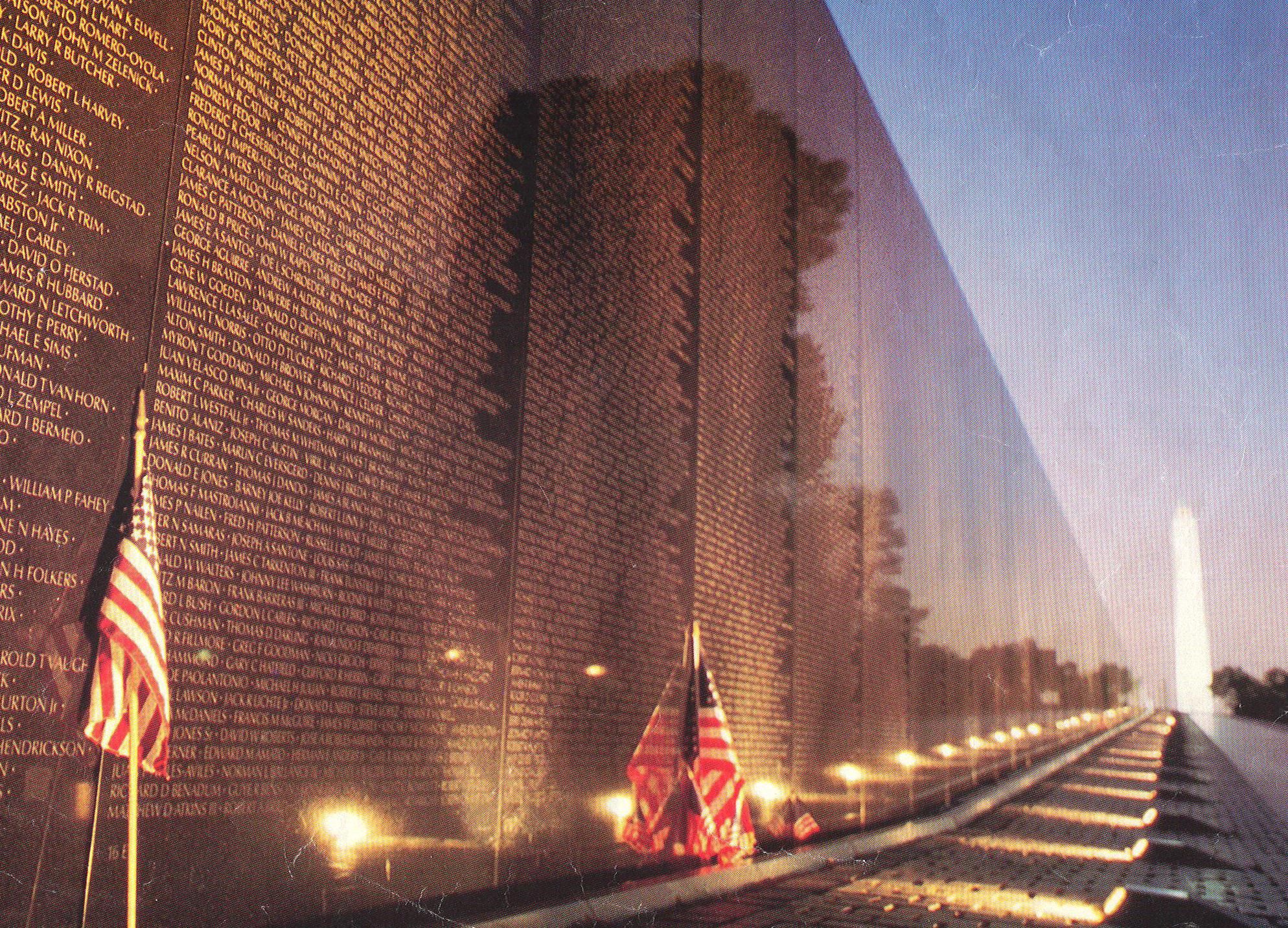
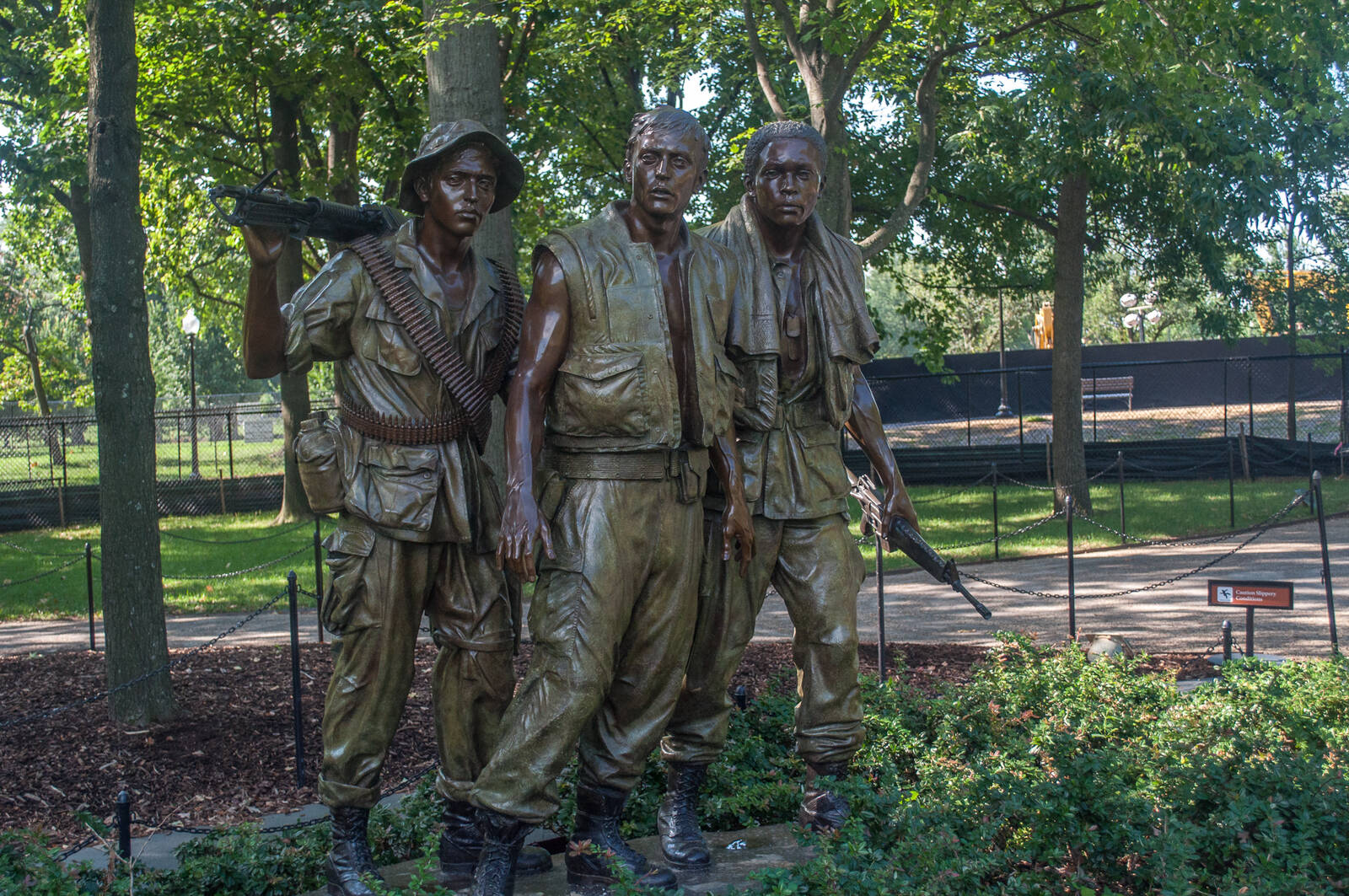
 I then set my sights on the VVAW, best remembered for John Kerry’s lying testimony before Congress. Another group using university funds that I was able to show wasn’t truly representative on campus. Another group gone. I still have copies of both stories.
 Lest you think I cared and wanted the groups removed for political reasons because I had switched sides, that would be false. It was the time of Woodward & Bernstein and Watergate. We all wanted to be investigative reporters because that’s where the glamour was, and no one was better positioned than I to do it. It also marked the beginning of journalism’s death. I could tell the truth while controlling it at the same time. Call it slanting the news to create my narrative. I knew what result I wanted before starting. And I did it well.
 I would remain a registered Democrat and run for office at various levels. I maintained a liberal outlook, but in the tradition of liberals at the time, not what we see today. I chose the Democrat Party as a matter of convenience to get a summer job, but I thrived under the tutelage of the 1968 Ohio Democratic Chairman. Remember the 1968 convention in Chicago; he led the Ohio delegation and debated Robert Kennedy in defense of the Vietnam War. I would later clerk for him in his law office throughout law school and meet a lot of fascinating people in the political world, mostly state-level but a handful at the national level.
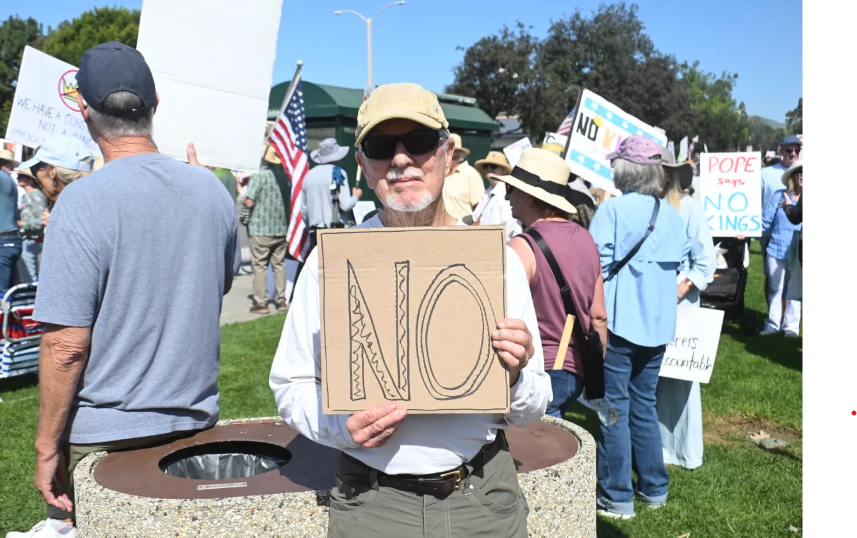
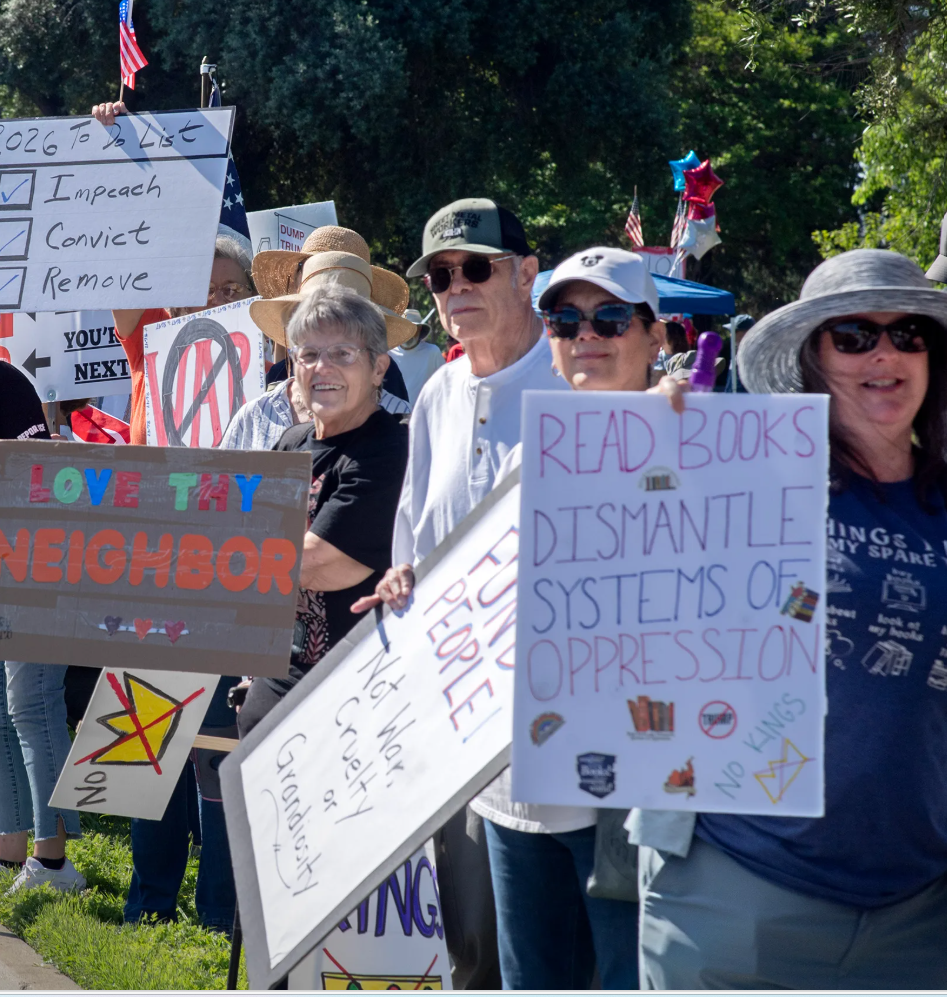
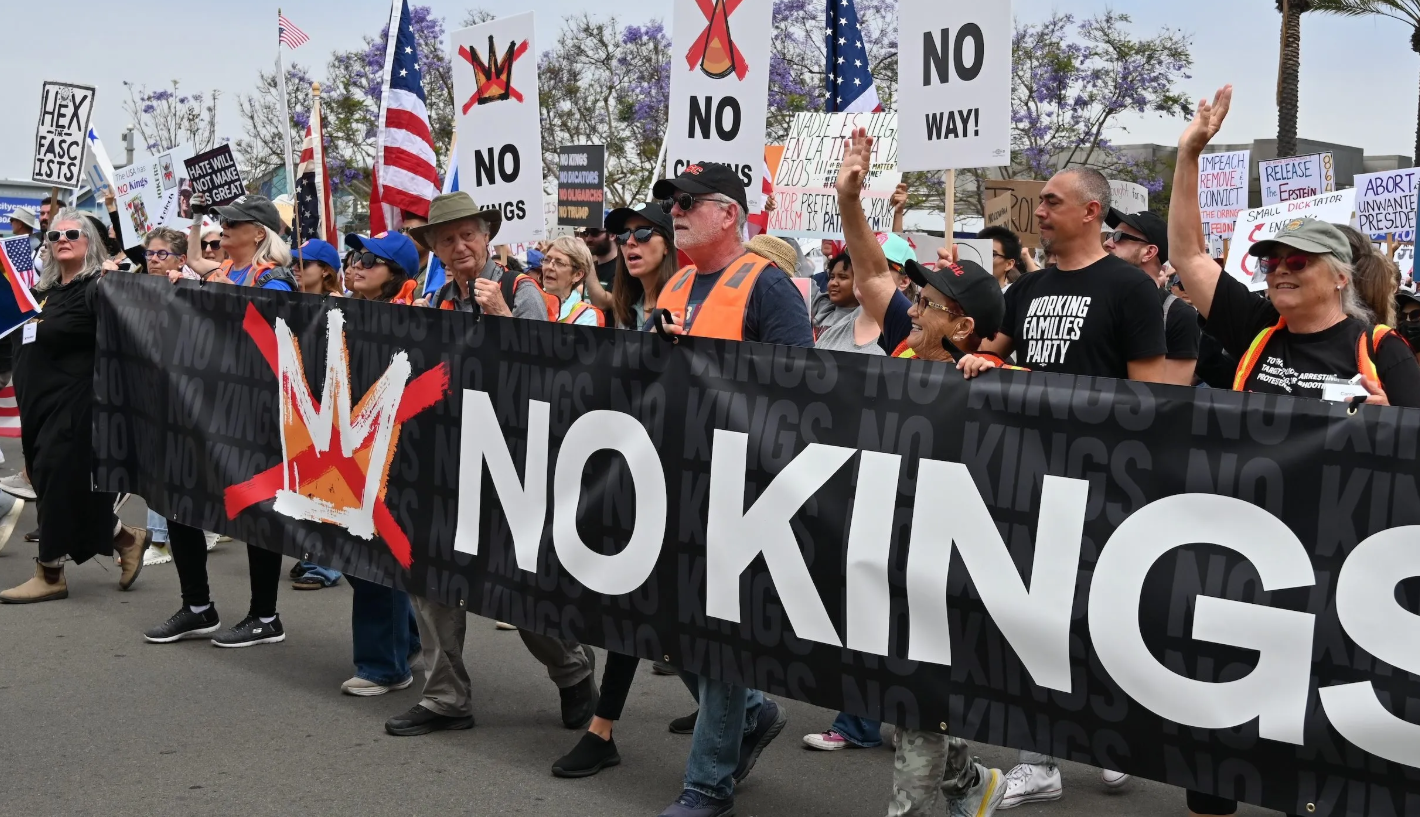
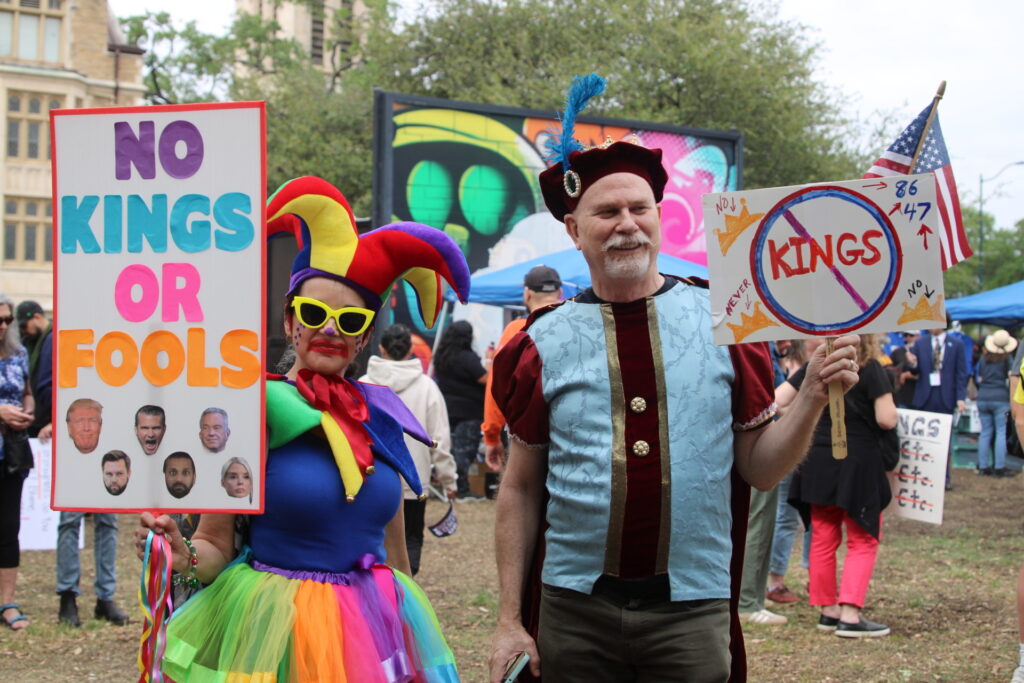 That’s my background, but this is about my generation and the No Kings fiasco. Not a diverse group, neither in age nor race. Older white people primarily. For the racists in the country, it was ideal, even though it ran against their earlier convictions, if they truly had any to begin with.
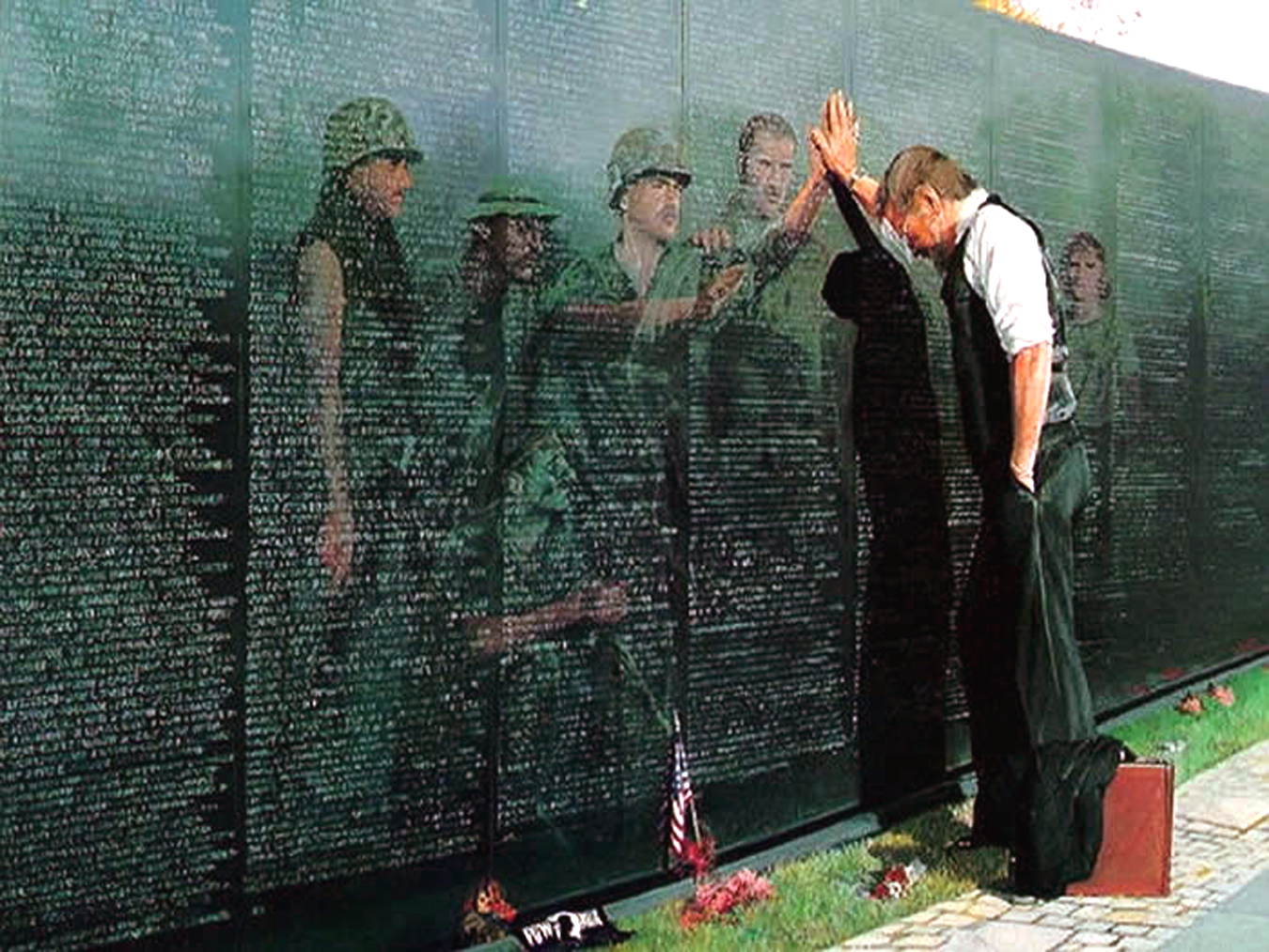
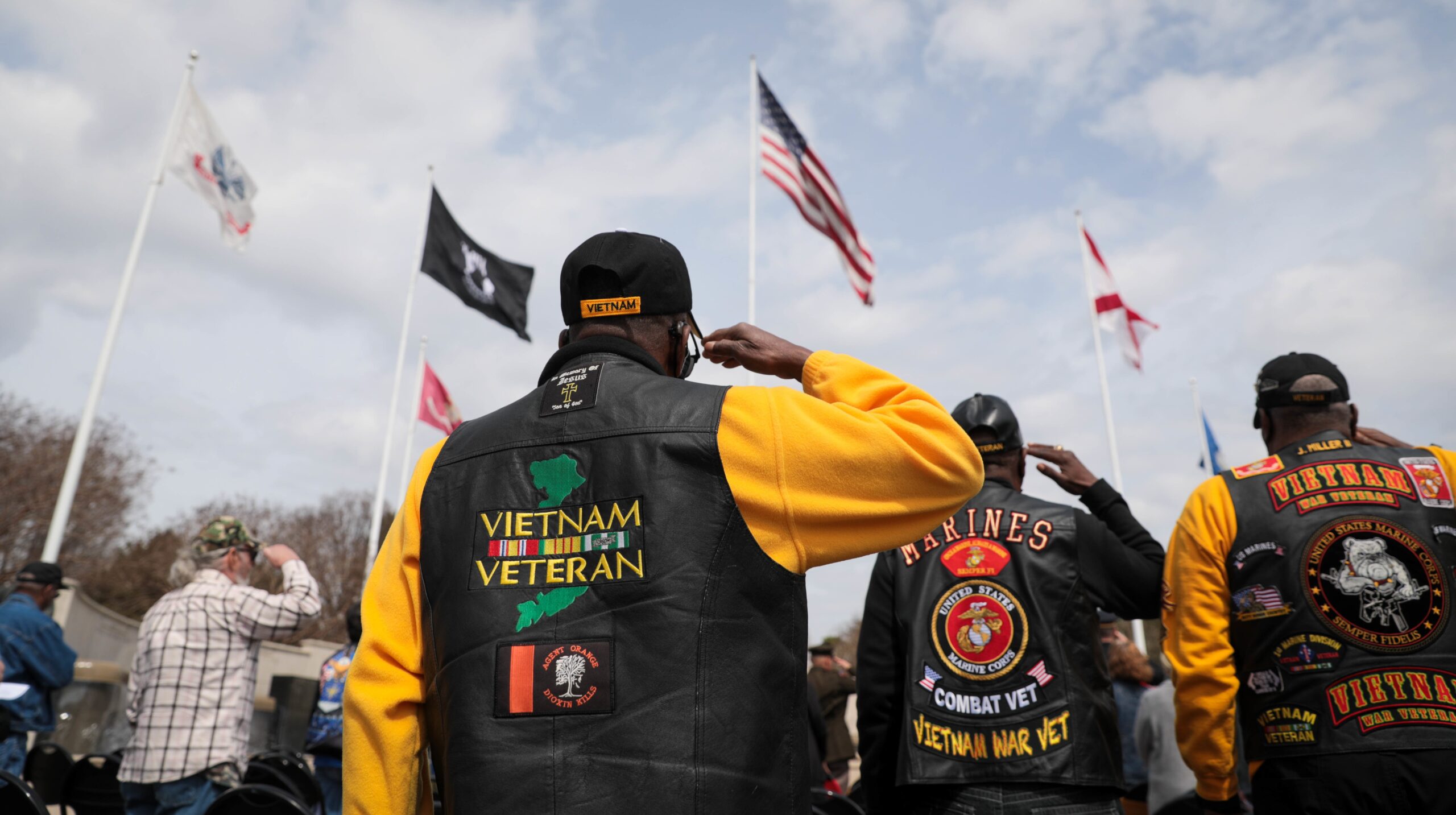
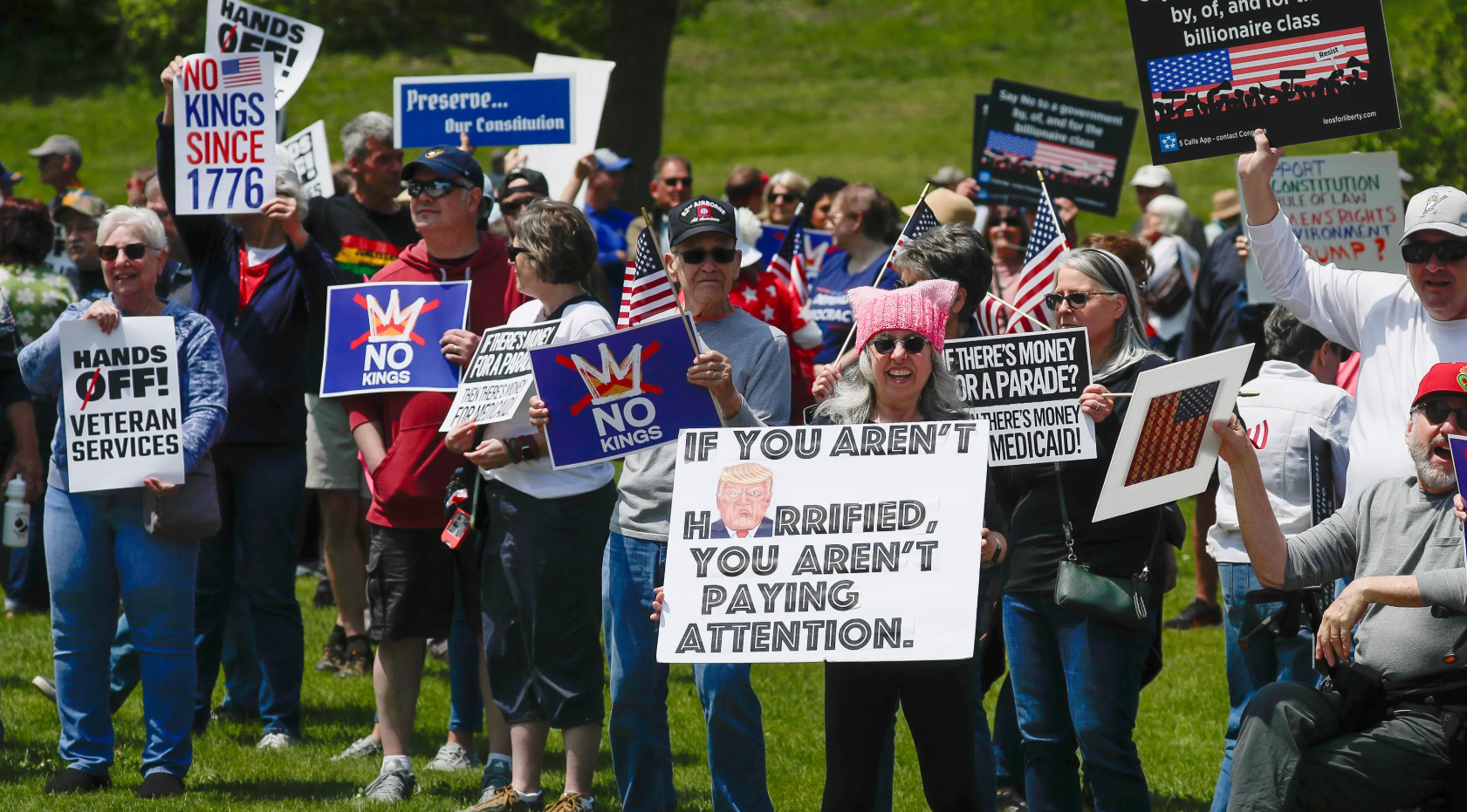
 Look at the photos. The “gray hairs” and elders were prominent. Multiple accounts described crowds with noticeable numbers of senior citizens, including people on mobility scooters, veterans in their 70s, and retirees holding signs. Examples include an 82-year-old military veteran and tribal elder in Arizona, 77-78-year-old couples in California, 73-82-year-olds in Michigan, and groups of seniors in wheelchairs outside assisted-living centers in Maryland.
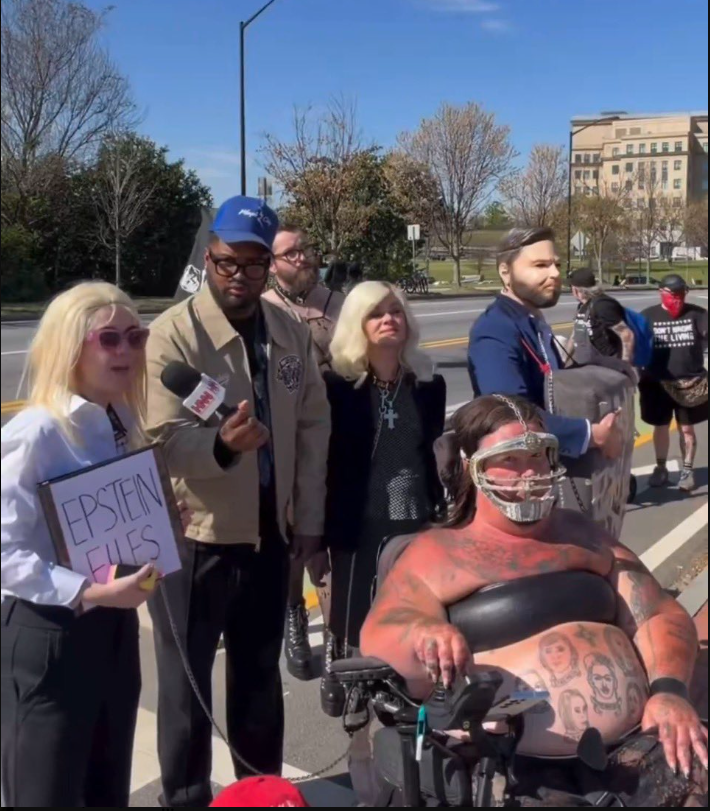 I have a theory based on being a Boomer. I protested when younger—sometimes just caught up in it to see what was going on, plus there was still some of that high-school mentality that just liked to break things with rocks. The cause wasn’t the important thing.
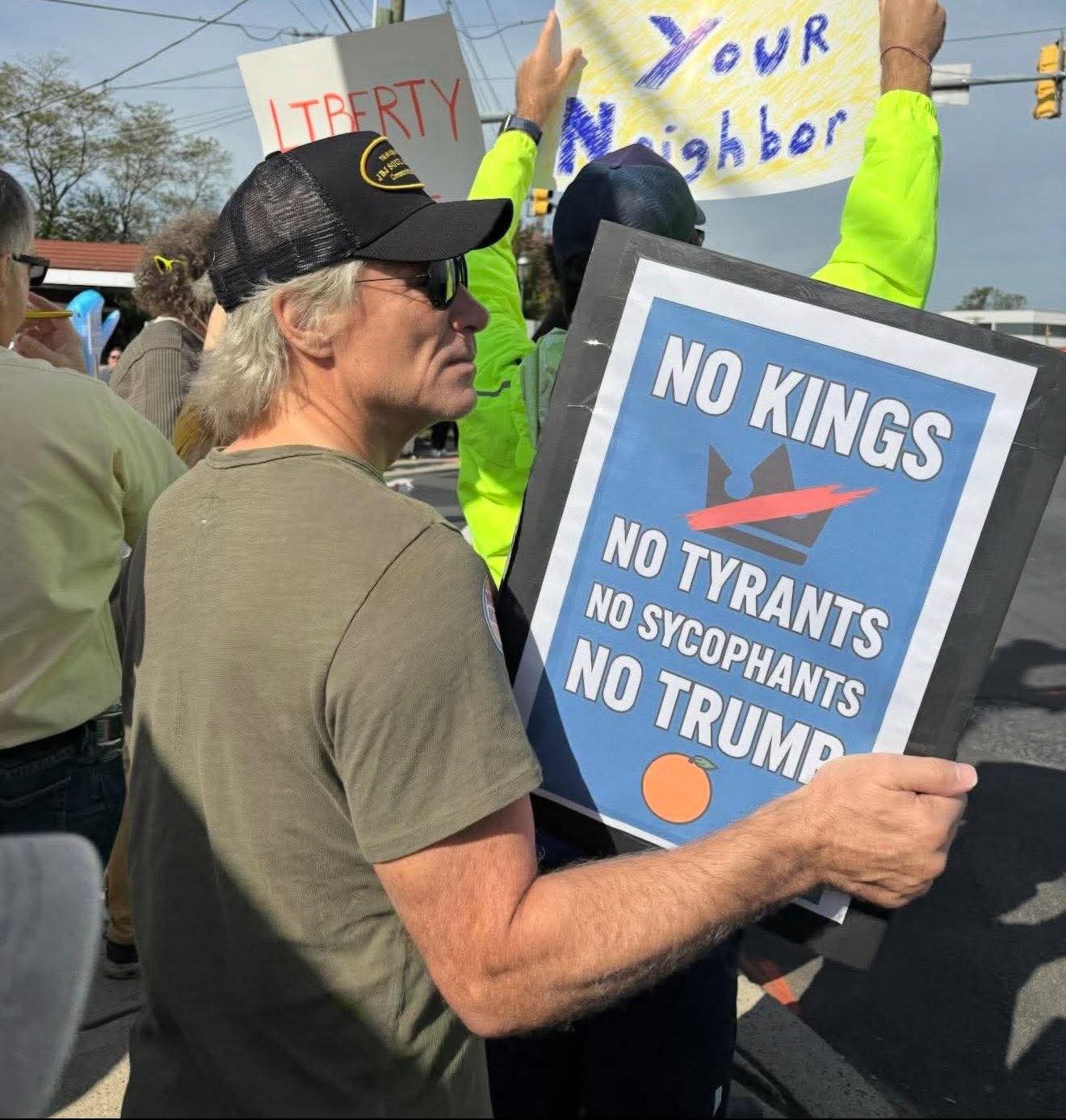 I’ve come to the conclusion that the protests really didn’t end the war. The man we despised, Nixon, actually ended it. It’s almost as though Boomers realize this, and the No Kings rallies are like a last hurrah. Let’s face it: if we had a king or authoritarian ruler, things would happen like what happened to Iranian protesters, leaving 40,000 killed. That didn’t happen here.
https://x.com/i/status/2039035261841994033
With the 1980 election, I had changed. I like to consider that I have grown up. The No Kings people didn’t, and they looked to one final protest to make their lives meaningful. The ones who fought “fascism” in the 60s and 70s are now on the side of the authoritarians but call me a fascist. The charge is a hollow one. Words like “fascism” have been so overused as to render them meaningless. The same with “racism.”
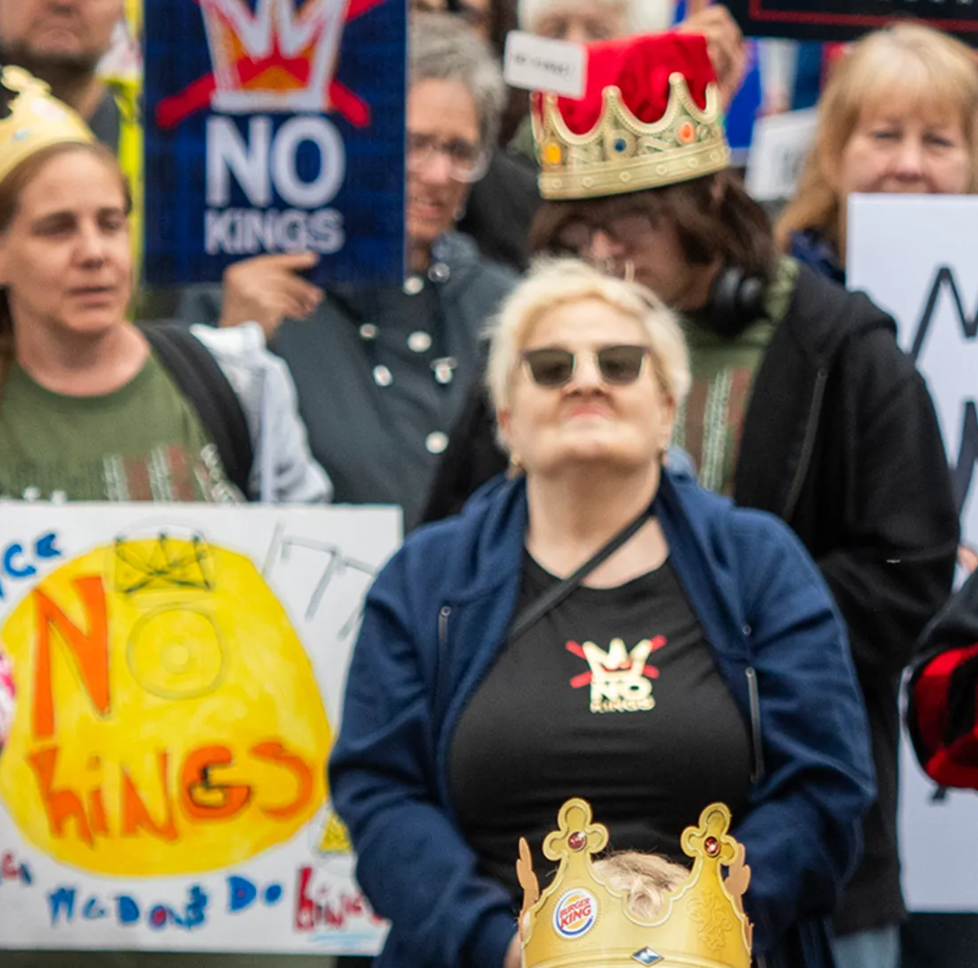
Constant repetition turns a grave term into background noise. People hear it so often that it stops evoking the visceral reaction it once had. When the same label gets slapped on everything, it becomes meaningless. Yet the words should carry a negative meaning. The Left, including the crazed Boomer generation, changed it. We should hate racism, but when everything is racist, it provides cover for the truly guilty.
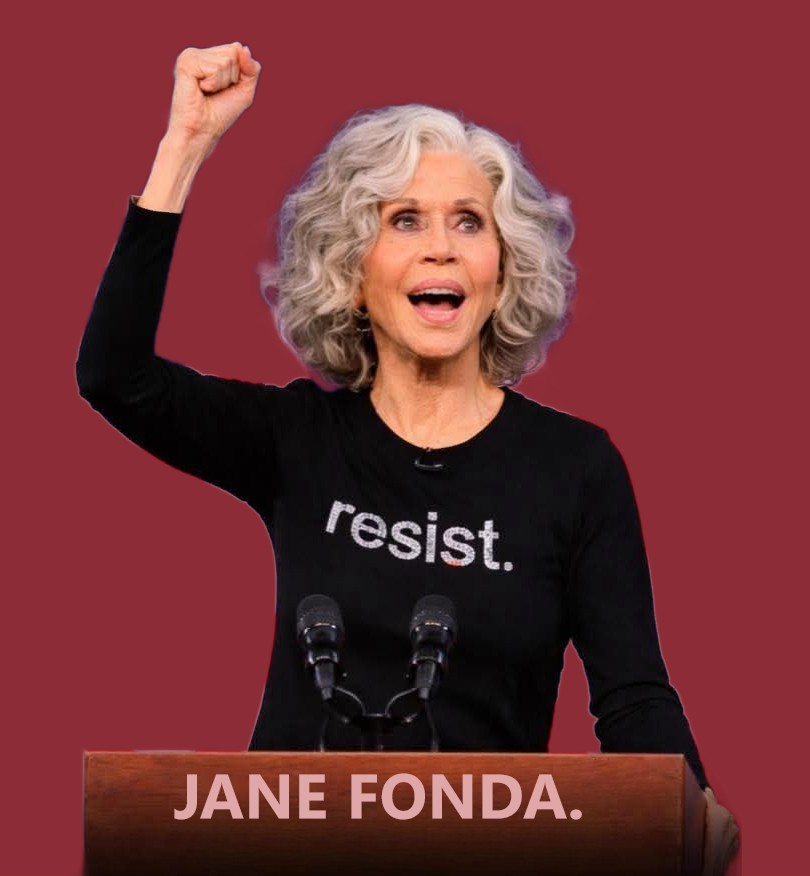
 Isn’t it odd that Jane Fonda, a traitor in my opinion, is now on the opposite side? Isn’t it odd that the writer of Four Dead in Ohio has expresses the exact opposite political philosophy today? Pick any old boomer on the Left-aren’t they the true supporters of fascism today? Strip everything away, maybe they haven’t changed at all. Think about it.
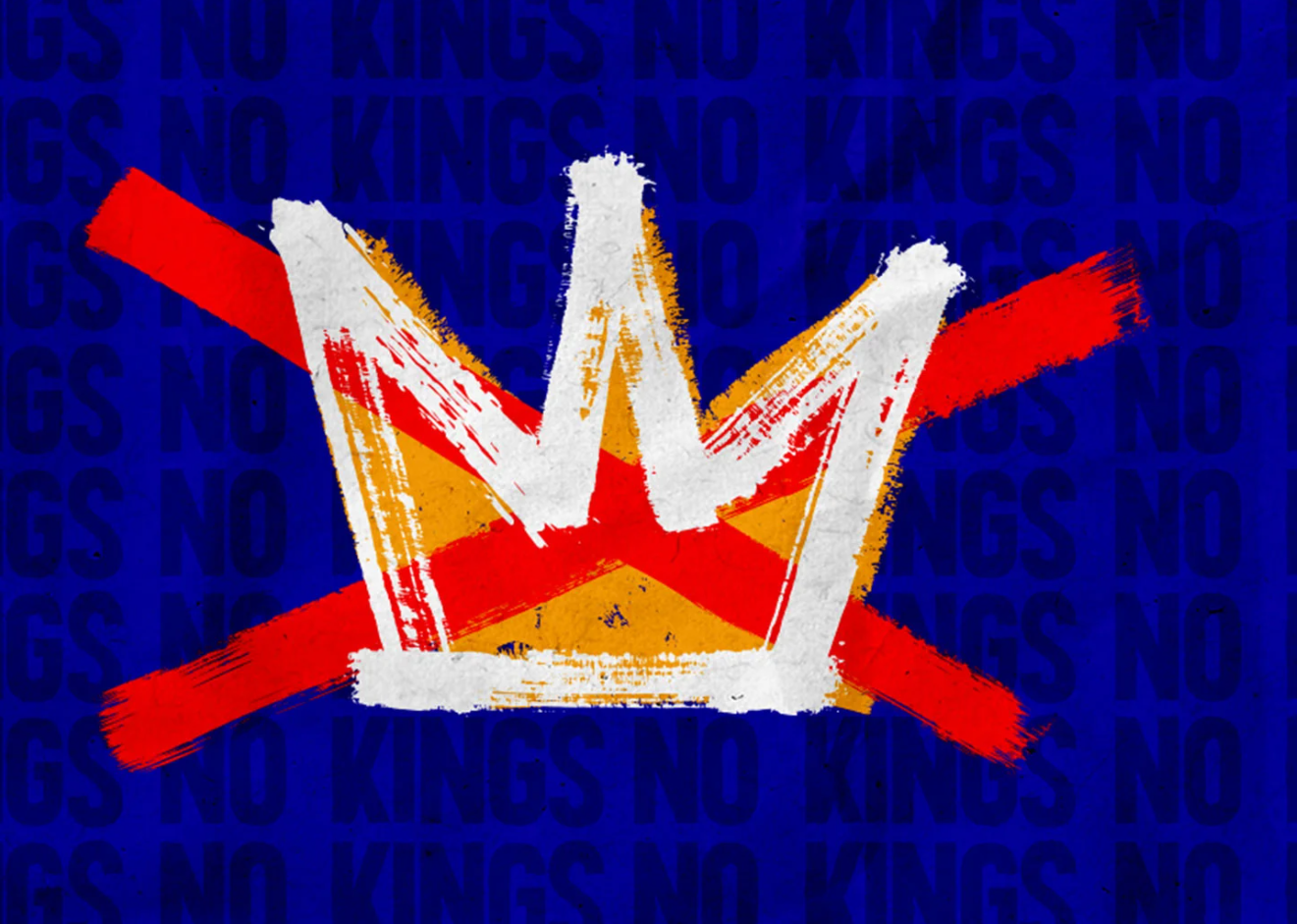 Yes, there is an “existential threat” to democracy, but it comes from the Left, the real despots today. They see the enemy as those who want to weaken our republic by abandoning the principles and values that have served us so well for the past 250 years. I am their enemy.