We live in a world where our attention is under constant attack. Phones buzz. Notifications stack up. TikTok, Reels, emails, messages-all of it pulls at us every minute of the day. It is easy to stay busy, but hard to stay present.
And in all that noise, faith can feel quieter than it used to. Not because God is distant, but because our lives are loud. Scripture talks about hearts that become closed or crowded, not out of rebellion, but out of distraction. A heart can be full of activity and still feel empty spiritually.
Sometimes the greatest challenge to faith is not doubt, but noise. It’s not disbelief, but busyness. It’s not rejection, but attention pulled in many directions.
But God reveals Himself, but He does not overwhelm. He shows Himself, but He does not shout. He is present, but He does not force us to see Him. That is why some see Him clearly, while others feel He is invisible. It’s distraction in many cases.
Maybe the invitation is simply this, to make a little space for God in a world that never stops talking. How do we do that? By choosing small moments of quiet. By turning off the noise, or at least taking a break from it. By giving God a little room to speak into a life that is already full.
Is there a proper way to pray? I’m curious how others see it.
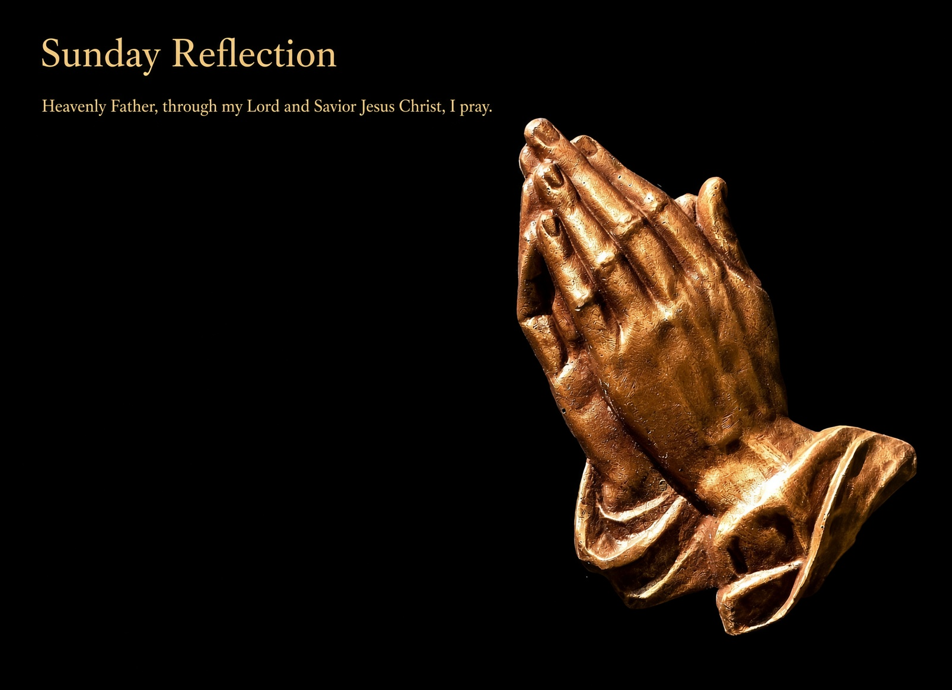
For me, I begin with, “Heavenly Father, through my Lord and Savior Jesus Christ, I pray.” Jesus says the way to the Father is through Him, so that is how I begin a prayer.
I do so because of John 14:6, where Jesus says, “I am the way, the truth, and the life; no one comes to the Father except through me.”
But when it comes to prayer itself, the Bible gives one example, the Lord’s Prayer, and is otherwise silent on specific instructions. Jesus offers a pattern, not a script. Scripture teaches humility, sincerity, and reverence, but not a required formula. How do you understand proper prayer in your own life? Is there one?
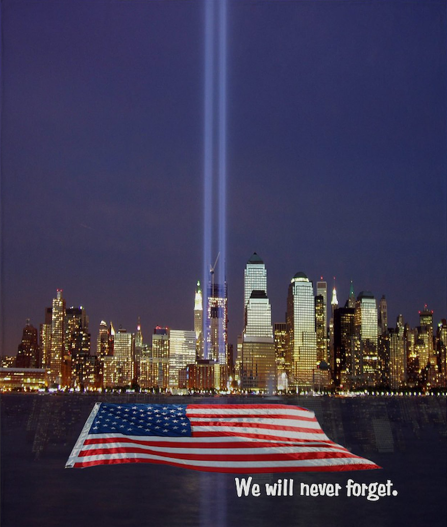
Twenty-five years have passed since the morning the sky exploded over New York, Washington, and a field in Pennsylvania. A generation has grown up that never saw the towers stand and never heard the first cry of “Never forget.” Some were not yet born. Some know that day only as a date on a calendar. That is why the work of memory is harder now, not easier.
On September 11, 2001, nearly three thousand people went to work, boarded a plane, or ran toward the danger and did not come home. Firefighters climbed. Passengers fought back. Ordinary people became the last line between more death and less. The country was publicly wounded. Then it came together and showed a resilience many had forgotten it still possessed. For a time, we remembered ourselves as one people.
Forgetting does not always look like denial. It can look like distance. It can look like a story told so often it loses its weight. It can look like a young person who knows the pictures but not the names. I fear this has already begun for some, and perhaps for many
“Never forget” was never a slogan for the already faithful. It was a charge to the living to tell what happened. Name the dead. Honor the courage. Refuse the idea that time can wash that morning away. Do not let the years turn that day into a faded story. Do not let time convince us the loss has grown small. Remembering the truth of that morning is not enough if we let the years soften it into just another date on the calendar
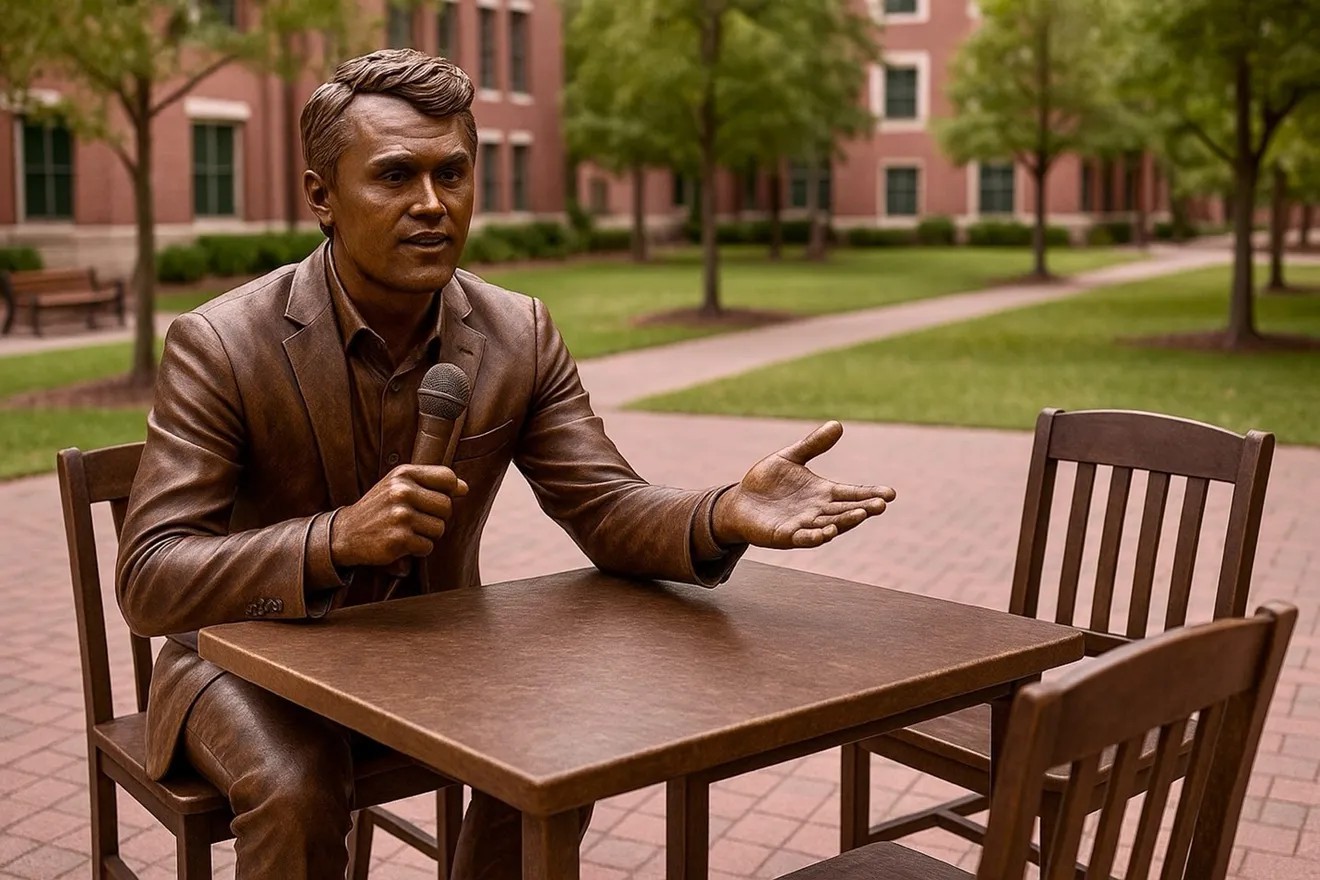
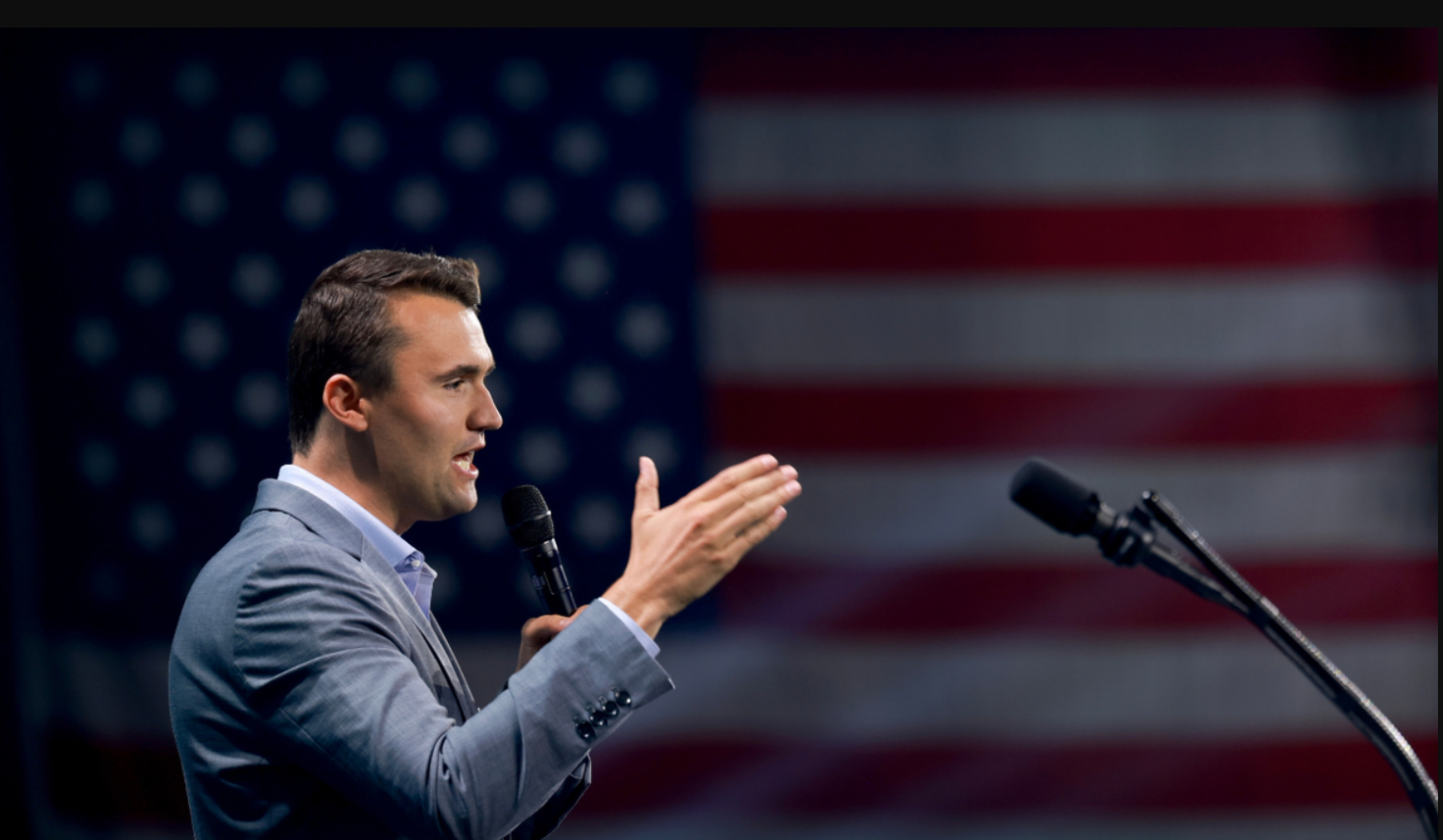
One year ago, Charlie Kirk was taken from us while doing what he spent his life doing. He showed up on a college campus, sat at a table, and invited people to talk.
He was thirty-one. A husband to Erika. A father. The founder of Turning Point USA. Charlie was a man who believed young Americans needed to hear the case for faith, family, country, and free speech because he knew they could handle it.
Charlie didn’t wait for safer ground before entering rooms hostile to his views. He built an organization that trained students to do the same. He treated debate as a civic duty, not a performance. He often said he was there not to fight people but to reach them.
It is hard not to notice how much contempt still follows his name and how that contempt has been aimed at his wife as well. Hate that large, as much as I hate it, says more about the age we live in than about the man who sat under a tent and asked to be proven wrong.
That work did not end on September 10, 2025. His wife and colleagues have carried it forward. Chapters still meet. Tours still travel. Students still argue, organize, and refuse to be silent.
We remember Charlie today not only for how he died but for how he lived as a Christian, a husband, a father, and a relentless advocate for the idea that truth can be spoken in the open.
May his family find comfort. May his work continue. And may we honor him by doing what he asked others to do. Show up, speak clearly, and keep the conversation going.
Freedom, if it is to last, needs people willing to stand and to keep the table open.
Marxism as a “secular religion,” trying to build heaven on earth by political means, and in the charge that collectivist systems invert the first commandment; they put a human construct in the place reserved for the Creator. Marx’s own language about abolishing religion and the family is often cited as evidence that the project was never meant to coexist with a transcendent God.
The DSA rejects this interpretation, arguing that caring for the poor and restructuring economic power is fidelity to God, not competition with God. It is about whether a political program that claims comprehensive authority over how society should be ordered is, in practice, trying to occupy the role of God.
So, God is uncreated, self-existent, and the source of being itself. But no political movement, state, or collective can step into that position no matter how comprehensive its claims. When an ideology treats its program as the final authority on justice, meaning, and the shape of human life, it does not become God, it simply produces a counterfeit that cannot deliver what it promises. The result, in this view, is coercion justified as liberation, and disappointment when the promised transformation of human nature does not occur. Think of it as a glass city rising on cracked ground. It looks impressive though unfinished, with banners of a new world already flying. But the towers cannot reach the uncreated light in the open sky, or the unshaken horizon beyond them. The city remains a human work. The light does not.
The Bible repeatedly warns against exactly this pattern: human power or human projects claiming the place that belongs only to God, promising a completed world by their own means, and demanding the loyalty that belongs to the Creator.
Let’s examine one familiar to all found in The Ten Commandments, the first of which says, “You shall have no other gods before me” (Exodus 20:3). Anything treated as ultimate, whether nation, king, system, or ideology, is an idol. The Bible warns the absurdity of worshiping what human hands have made. The charge is not that the idol succeeds in becoming God; it is that people act as if it has. Beware those people and systems.