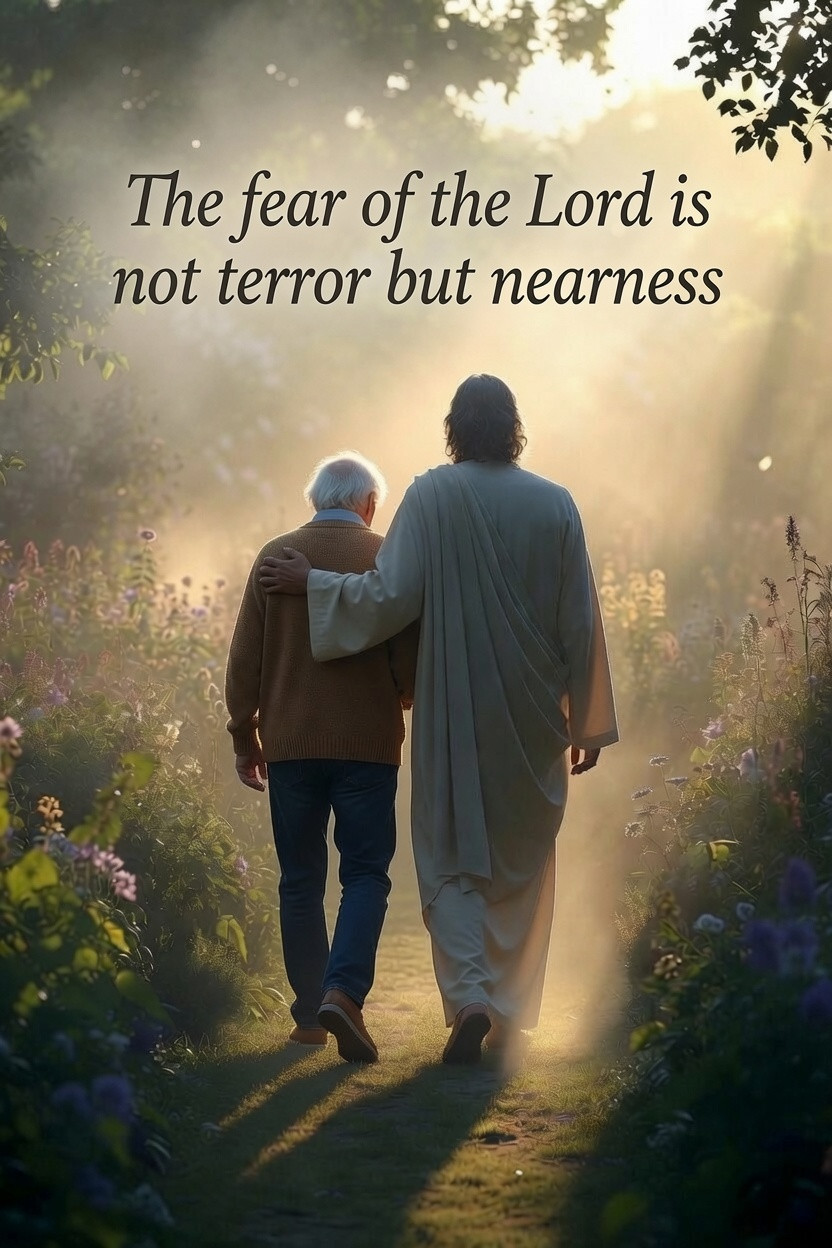
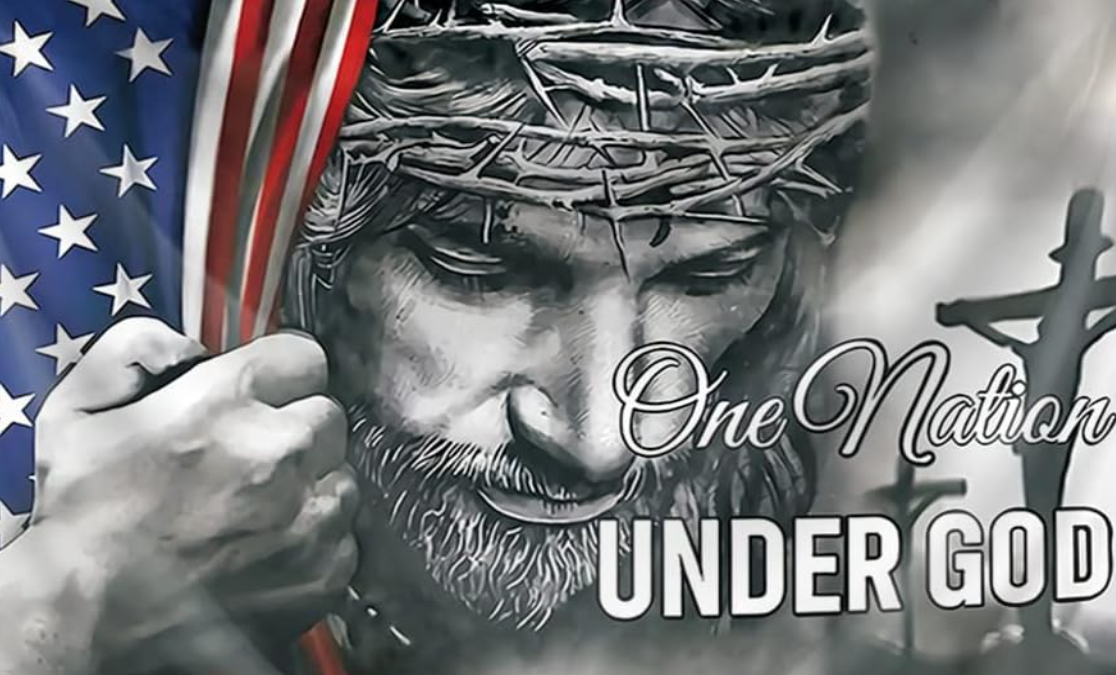
Proverbs 1:7 says, “The fear of the LORD is the beginning of knowledge,” but that word fear is one that many people misunderstand. We hear it and think of dread, punishment, or shrinking back. But in Scripture, the word carries a very different meaning. The fear of the LORD is not terror. It is reverence, the deep awareness of God’s greatness, holiness, and wisdom. It is the recognition that God is not an idea or a tradition but the God who designed life itself. When a person sees God clearly, with humility and awe, that posture becomes the foundation for everything else.
Reverence is the foundation for building respect, trust, humility, and wisdom. Proverbs calls this the beginning of knowledge because you cannot understand life until you begin with the One who created it. You cannot make sense of the world until you acknowledge the God who shaped it. Reverence opens the door to wisdom. It steadies the heart. It teaches us how to live.
Those who reject God’s wisdom and resist the guidance do so not out of ignorance, but because they choose to build life on their own understanding. Devotion is the opposite of that. It is the posture that says, God, You know more than I do. Teach me. It is the willingness to be shaped, corrected, and guided by the One who sees the whole picture.
When Scripture speaks of fearing the LORD, it describes a relationship built on awe, humility, and trust, not on anxiety or dread. It is the kind of fear that draws a person closer, not the kind that pushes them away. And that is where knowledge truly begins.
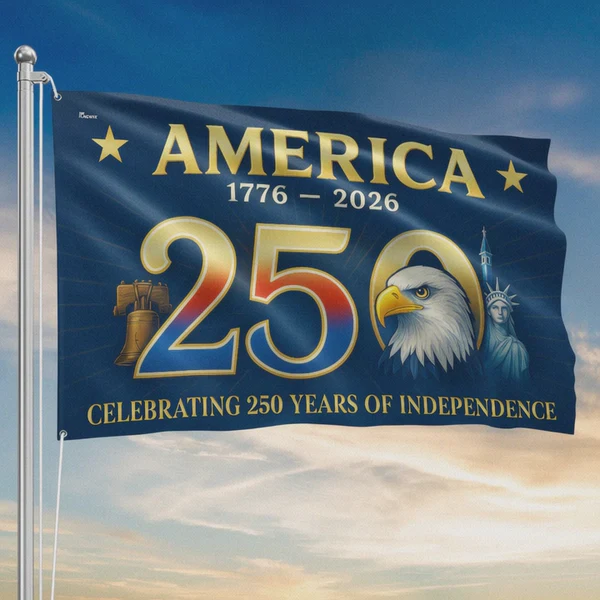
Ten blue states sit out the 250th anniversary while the rest of America celebrates.
Ten states, all with Democrat governors, are officially opting out of the Freedom 250 celebration. Some talked of partisanship, others of budget constraints. More on this later.
Opting out means no state funding, no official state staff or government delegation, and no official state pavilion managed by the state government. However, local governments, counties, cities, businesses, nonprofits, or private individuals from those states can still participate independently, and no doubt will.
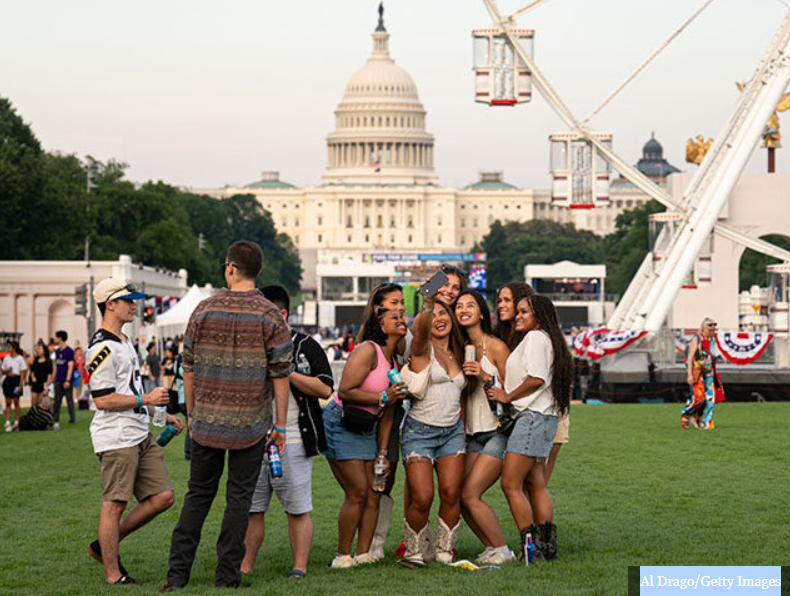
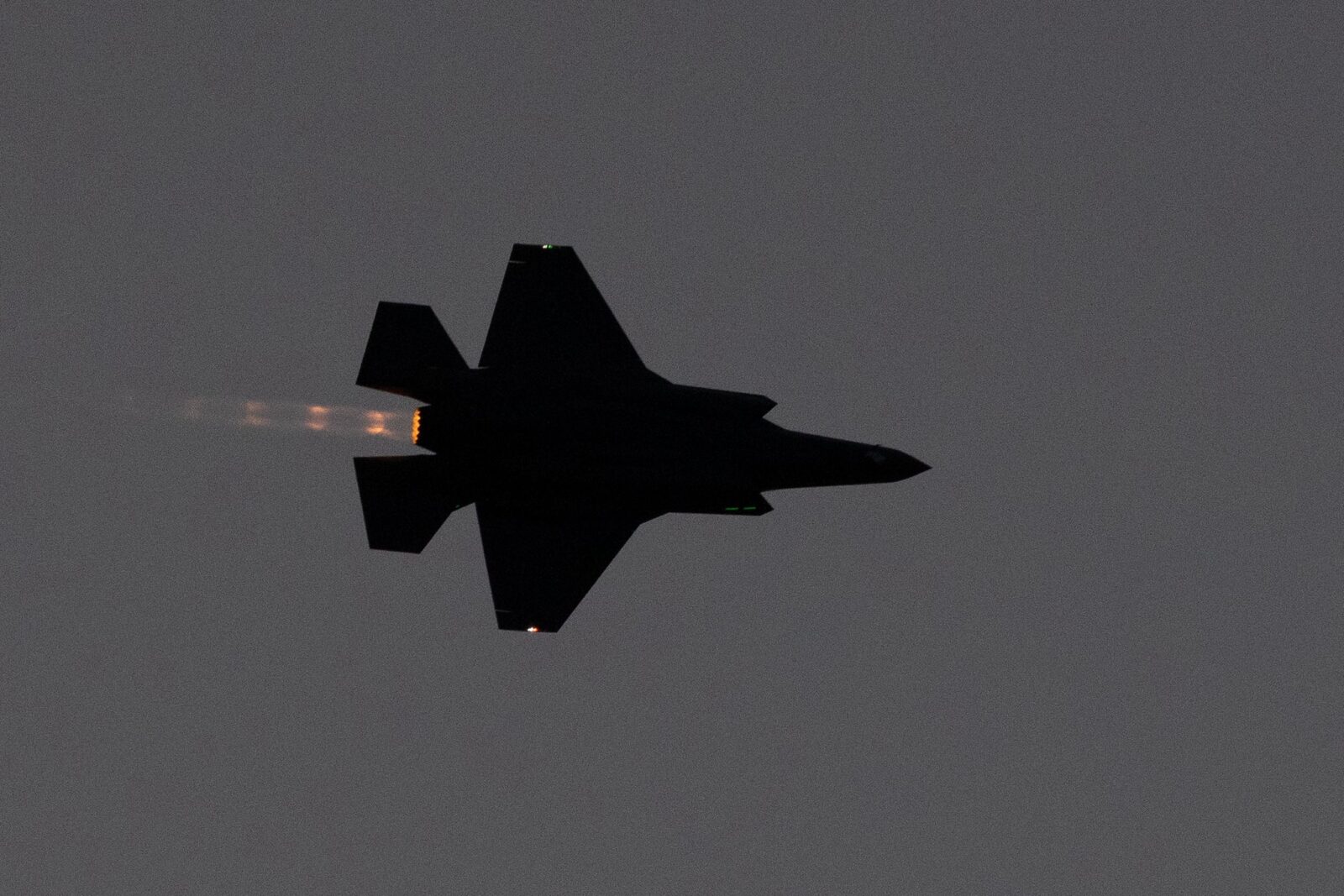
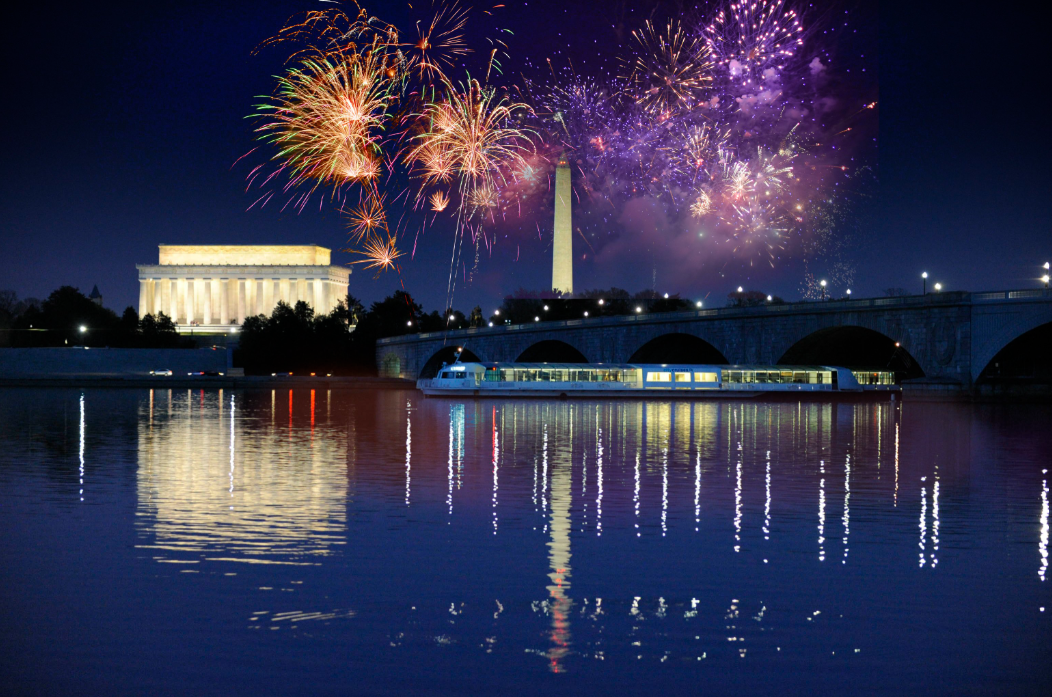
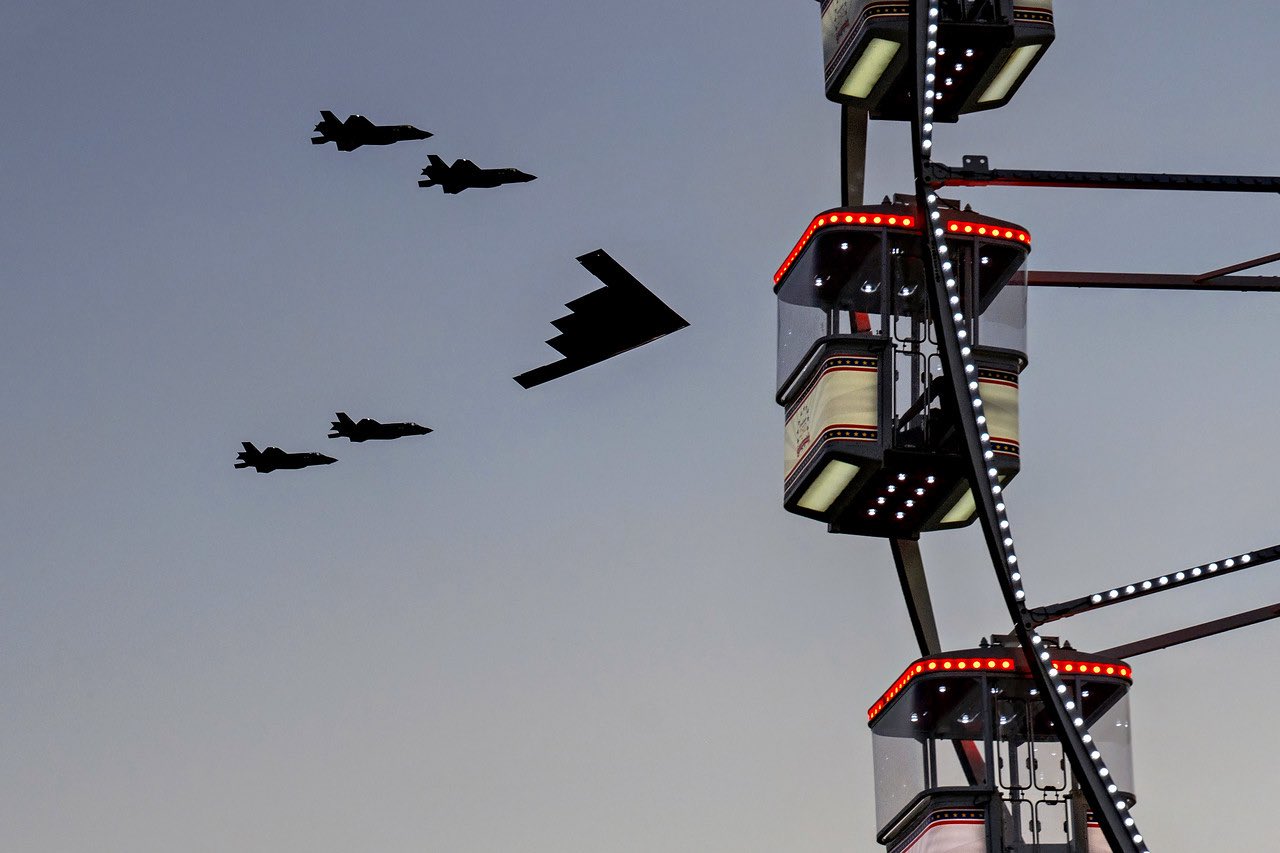
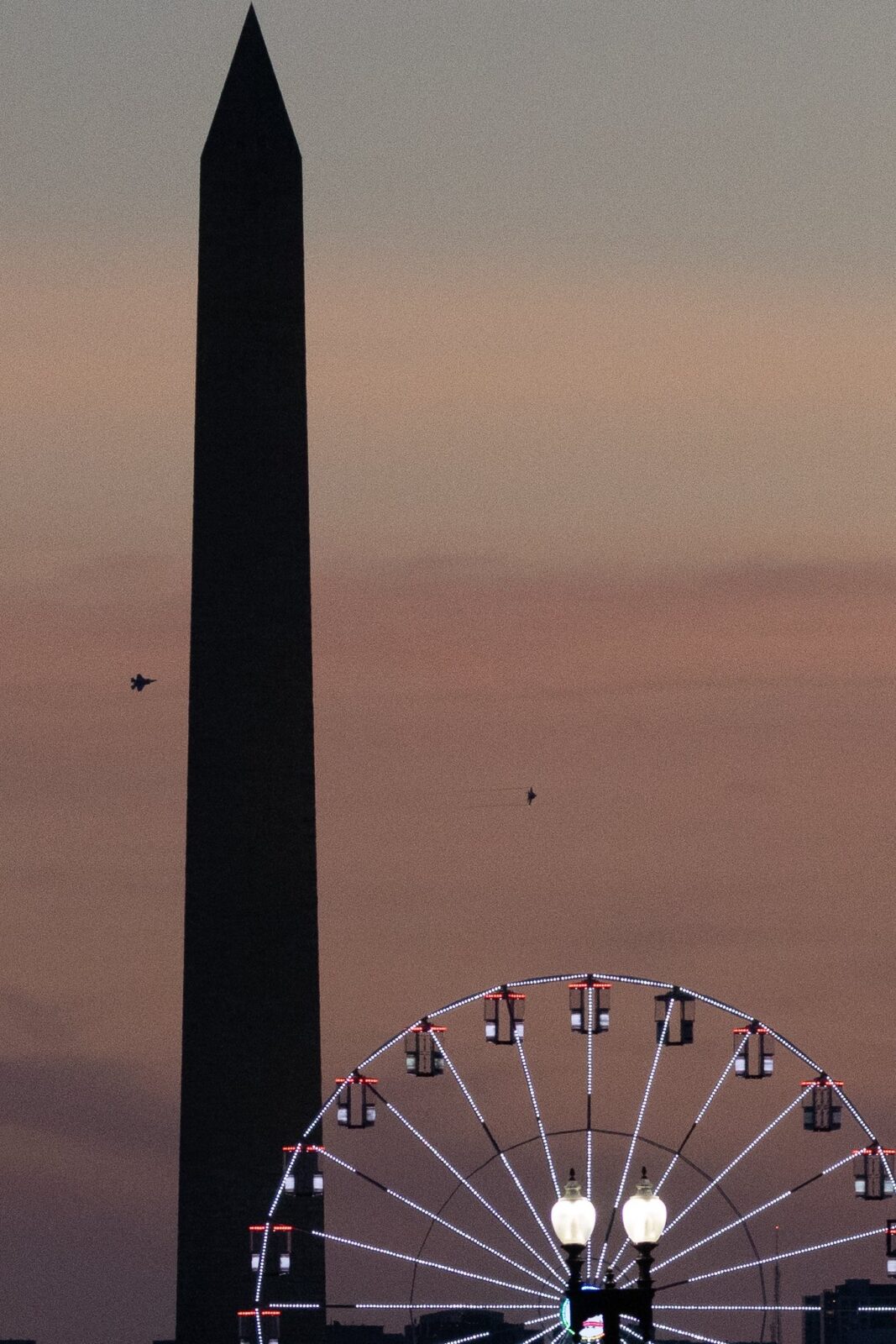
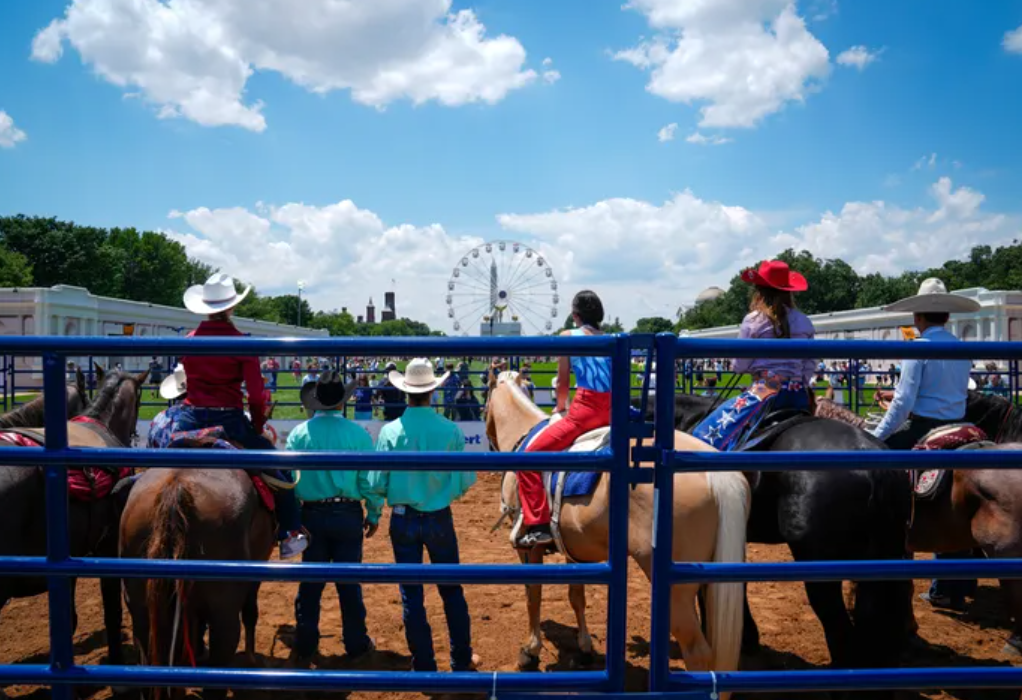
In Washington, D.C., the Great American State Fair takes place with themes of Land & Prosperity, Military & Veterans, Faith/Values/Inspiration, Innovation & Technology, Horsepower of America, Wings of Freedom, etc. There will be exhibits from states and territories, Rodeo 250, entertainment, military flyovers, rides, and on July 4th, what organizers are calling the biggest fireworks display ever.
The D.C. fair is the flagship, but the fullness is the decentralized celebrations happening in towns and cities everywhere. Across the country, celebrations will have similar activities. Some of the festivities will continue throughout the year at state and local fairs. One big July 4 benefit show in Los Angeles with major artists, jazz festivals, and music events because, surprise, surprise, California didn’t opt out. Let’s get back to partisanship. Recent polling, Gallup in 2025 show only 29–36% of Democrats say they’re “extremely/very proud” to be American (down sharply from prior years), versus 85–92% of Republicans. The idea of celebrating America shouldn’t be partisan. But perception is, amplified by media, leadership, and the deep emotional/cultural split in how Americans experience national identity right now. That’s why some blue-state governors cited “partisan” concerns.
Oregon’s partisan concerns centered on the event feeling too closely tied to President Trump and shifting away from a neutral, bipartisan tone. To me, I see it as TDS to an extreme. We’re celebrating an event, not a person. The 250th anniversary and the Declaration of Independence belongs to the country, not any one politician. Celebrating the founding document, the principles in it; life, liberty, pursuit of happiness, and 250 years of American history should be something transcending whoever happens to be in the White House. Framing participation as “endorsing Trump” instead of endorsing America comes across as overly tribal or childish.
Polls and public reaction suggest it’s not playing well broadly. A large chunk of the country, including many independents and moderates sees national birthday celebrations as something you rise above politics for, especially one this rare. Opting out reinforces the narrative that one side, democrats, struggles with uncomplicated patriotism right now.
Whether you call it TDS (I did earlier), affective polarization, or just “everything is about Trump now,” the pattern is the same: events, symbols, or policies get judged less on content and more on who’s associated with them. A state fair with rodeos, flyovers, Ferris wheels, and state exhibits celebrating American achievements shouldn’t be controversial, but here we are.
It is sad for social cohesion. Shared national milestones used to be rare moments that cut across divides. The fact that pride in America itself now shows one of the widest partisan gaps in decades makes bridging that harder. Hopefully the actual event on the ground brings in plenty of regular Americans from all backgrounds who just want to enjoy it. If democrats choose to say home, although welcome, so be it. When it comes to optics, democrats don’t seem to do well, but don’t seem to care.
Another issue coming is one of national pride, mentioned earlier. Conservatives emphasize American exceptionalism, founding principles, military strength, and unapologetic pride. Progressives prioritize acknowledging historical flaws such as slavery, inequality, indigenous issues, etc.
Consider this though; most countries are proud of themselves; that’s normal and healthy. France celebrates Bastille Day, Mexico its independence, Japan its culture and history, India its own founding. National pride doesn’t require claiming perfection; it means valuing what your country stands for and has achieved while working to improve it. That’s natural too. The Declaration itself is a bold assertion of universal rights and a list of grievances against Britain. It’s aspirational, not self-congratulatory. The Founders never claimed perfection. In the Constitution’s Preamble, just eleven years later, “We the People… in Order to form a more perfect Union.” The founders knew the country wasn’t perfect in 1776 or 1787, so they built in mechanisms for change precisely because of that.
Let’s get back to partisanship. Recent polling, Gallup in 2025, shows only 29–36% of Democrats say they’re “extremely/very proud” to be American (down sharply from prior years), versus 85–92% of Republicans. The idea of celebrating America shouldn’t be partisan. But perception is amplified by media, leadership, and the deep emotional/cultural split in how Americans experience national identity right now. That’s why some blue-state governors cited “partisan” concerns.
Oregon’s partisan concerns centered on the event feeling too closely tied to President Trump and shifting away from a neutral, bipartisan tone. To me, I see it as TDS to an extreme. We’re celebrating an event, not a person. The 250th anniversary and the Declaration of Independence belong to the country, not any one politician. Celebrating the founding document, the principles in it—life, liberty, pursuit of happiness—and 250 years of American history should be something transcending whoever happens to be in the White House. Framing participation as “endorsing Trump” instead of endorsing America comes across as overly tribal or childish. Polls and public reaction suggest it’s not playing well broadly. A large chunk of the country, including many independents and moderates, sees national birthday celebrations as something you rise above politics for, especially one this rare. Opting out reinforces the narrative that one side, Democrats, struggles with uncomplicated patriotism right now. Whether you call it TDS (I did earlier), affective polarization, or just “everything is about Trump now,” the pattern is the same: events, symbols, or policies get judged less on content and more on who’s associated with them. A state fair with rodeos, flyovers, Ferris wheels, and state exhibits celebrating American achievements shouldn’t be controversial, but here we are.
It’s sad for social cohesion. Shared national milestones used to be rare moments that cut across divides. The fact that pride in America itself now shows one of the widest partisan gaps in decades makes bridging that harder. Hopefully the actual event on the ground brings in plenty of regular Americans from all backgrounds who just want to enjoy it. If Democrats choose to stay home, although they are welcome, so be it. When it comes to optics, Democrats don’t seem to do well, but don’t seem to care.
Another issue coming is one of national pride, mentioned earlier. Conservatives emphasize American exceptionalism, founding principles, military strength, and unapologetic pride. Progressives prioritize acknowledging historical flaws such as slavery, inequality, indigenous issues, etc.
Consider this though: most countries are proud of themselves; that’s normal and healthy. France celebrates Bastille Day, Mexico its independence, Japan its culture and history, India its own founding. National pride doesn’t require claiming perfection; it means valuing what your country stands for and has achieved while working to improve it. That’s natural too. The Declaration itself is a bold assertion of universal rights and a list of grievances against Britain. It’s aspirational, not self-congratulatory. The Founders never claimed perfection. In the Constitution’s Preamble, just eleven years later: “We the People… in Order to form a more perfect Union.” The founders knew the country wasn’t perfect in 1776 or 1787, so they built in mechanisms for change precisely because of that. In the end, a milestone like America’s 250th anniversary should be a time when we set politics aside and celebrate the country we share. National pride doesn’t mean pretending we’re perfect — it means appreciating what we’ve built and continuing to make it better. Hopefully more Americans, regardless of party, will choose to join the celebration in their own way.
[Note: This is my dad three months after my date of birth, September 14th. Ironically, on that date seven years earlier, he was sent back to the states after WWII. This not about him, it’s about all dads]
Father’s Day brings a wide range of emotions. For some, it is a day of gratitude and warm memories. For others, it brings a quiet ache because their father is gone. And for many, it is a reminder of what they never had. A good father teaches, protects, guides, and gives his children a place to stand. Many of us learned our earliest lessons about life from the man who showed up, who worked hard, who tried his best, even if he didn’t always get everything right.
Some people celebrate today with joy. Others remember a father they lost too soon. Some never had a father present at all but found one in a grandfather, an uncle, a coach, a neighbor, or even in a mother doing her best to carry a dual role. Every one of those stories matters, and every one is seen by God.
Every man is a father, whether he has children or not, because every man influences someone who looks up to him. Fatherhood is bigger than biology; it’s about presence, guidance, and sacrifice. And many of the men who shaped us never carried the title “Dad,” yet they lived out the role in ways that changed our lives.
While earthly fathers shape us in different ways, there is one truth that steadies all of us: every good father reflects, in some small way, the character of the Father who never fails. Not perfectly, not completely, but in glimpses; through protection offered, lessons taught, love shown, and sacrifices made. And for those who feel the emptiness more than the celebration, God steps into that space with a promise that does not fade: “I will never leave you.”
So today we honor the fathers who shaped us, the ones who tried, the ones we miss, and the ones who stepped in when someone else could not. And we give thanks for the One who holds every story, every memory, every wound, and every blessing in His hands.
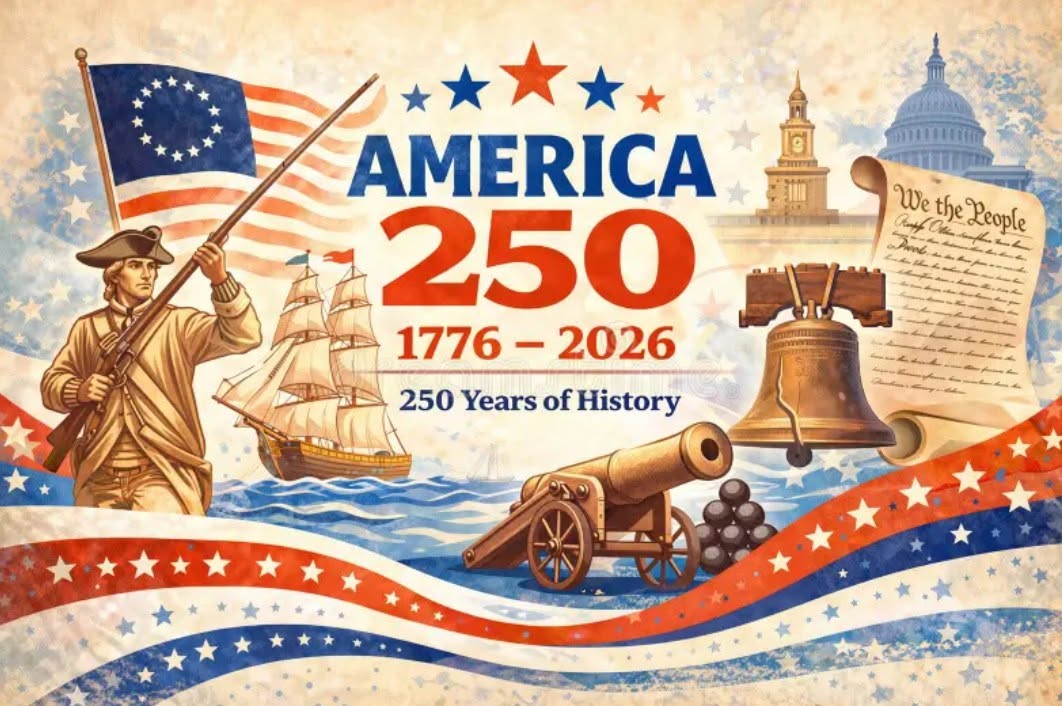
In a few weeks, America will celebrate its 250th birthday-two hundred and fifty years since the Declaration of Independence. A small group of men pledged their lives, fortunes, and sacred honor to create something new: a constitutional republic built on individual liberty, equal justice under law, and the principle that no king, church, or foreign power stands above the Constitution. The Founders never envisioned this as America turns 250!
Whether born of extraordinary wisdom, divine providence, or both, the Constitution is the oldest continuously operating written national constitution in the world. Most constitutions last less than twenty years. Ours has endured for nearly two and a half centuries and inspired nations everywhere.
Yet in 2026 we are still debating whether states must pass laws to prevent Sharia law from overriding constitutional rights.
How did we reach this point?
States like Alabama, Tennessee, Kansas, Louisiana, North Carolina, Oklahoma, Arizona, and others have enacted measures to block foreign or religious legal systems from superseding the Constitution. Texas continues that fight today.
The reason is straightforward. Americans see what politicians, media, and activists deny: demands for special treatment, pressure campaigns, double standards, and the clear lessons from Europe. They understand that constitutional government endures only when a people confidently defend their own values.
Look at New York City. It lost nearly 3,000 Americans on September 11, 2001, and promised to Never Forget. Today, amplified Islamic calls to prayer echo across neighborhoods during Ramadan with official approval. Thousands gather for public prayer in Times Square. Organized Quran distributions occur in one of America’s most iconic spaces.
There’s at least another dozen Democratic Socialists running for office, with half being Muslim. Who would have thought the mayor of New York City would be both? The Founders didn’t oppose diversity of people or even thought. Debate was seen as healthy, as was compromise. But we were given a Republic, as one famously put it, if we can keep it. I do not believe for a New York minute the Founders envisioned the United States being where we are today.
Meanwhile, the city has elevated Zohran Mamdani to the mayor’s office. The real question is why any discussion of Islam’s growing role in public life is treated as off-limits. Citizens who raise concerns are branded intolerant, and the conversation itself becomes forbidden.
There are questions people, including people of faith, deal with. Other than faith, how can we know God exists in the world? Many things can reveal patterns and laws that suggest a Creator.
We know the fine tuning of physical constants, like gravity or the strong nuclear force, for life to exist is statistically improbable without design. The complexity of DNA and biological systems resembles a code, spurring discussions of intelligent design. The order and predictability of the universe, governed by consistent laws, indicate a rational source, a designer. So, is the designer God, or is everything by accident?
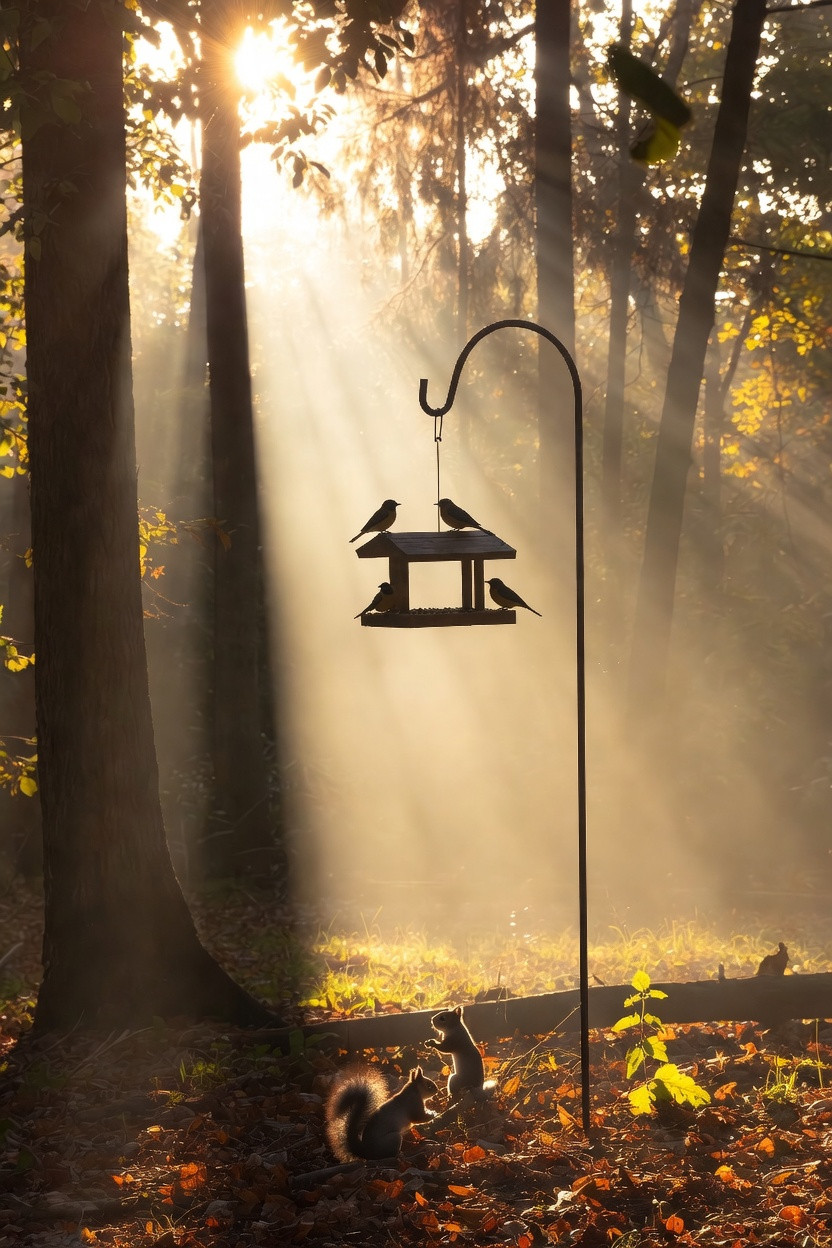
I look to the wonders of nature. It is all pretty majestic, and with little human interference, it runs perfectly. But I found out something the other day. We have a couple of bird feeders. Those pesky squirrels show up, and it is amazing to watch them make their way up a thin pole to gobble the seed meant for the birds.
So, I am watching this, and it occurs to me that long ago, there were no bird feeders, but there were birds. And there were squirrels. But then people came along. I doubt bird feeders went up immediately. People had to be hunter gatherers to survive. But fast forward, and as people became more civilized, a bird feeder appears. And the birds love it. But then squirrels love it too.
A discovery is made. By adding hot spices to the bird seed, the squirrel palate cannot handle the burning taste. But it doesn’t bother the birds. Problem solved. I found it interesting and mentioned to my wife that people would find what I am going to say odd (I think she did when she heard it), but to me it is proof God exists. Sure, it seems a small point, but I figure He sweats the small stuff, even if He doesn’t want us to. Since I believe God is forever and knows all that will happen, He knew someday people would have bird feeders and saw the conflict between the two species. So, in His infinite wisdom, knowing there would one day be hot spices, He made the taste unbearable to squirrels but not to birds. He knew people would figure it out, and we did.
Many will read this and roll their eyes. To me it is one more piece of evidence that God figured it out long ago and knew how to handle the problem. But there is biblical support for this kind of thinking. Scripture says creation itself declares the work of God’s hands, that not even a sparrow falls without His notice, and that we can learn about Him by paying attention to the creatures around us. So, when I see something as small as birds enjoying seed that squirrels cannot tolerate, it reminds me that God’s design runs through everything. And in moments like that, I find myself simply grateful that He cares enough to weave even the smallest details into the world around us.