Ten blue states sit out the 250th anniversary while the rest of America celebrates.
Ten states, all with Democrat governors, are officially opting out of the Freedom 250 celebration. Some talked of partisanship, others of budget constraints. More on this later.
Opting out means no state funding, no official state staff or government delegation, and no official state pavilion managed by the state government. However, local governments, counties, cities, businesses, nonprofits, or private individuals from those states can still participate independently, and no doubt will.
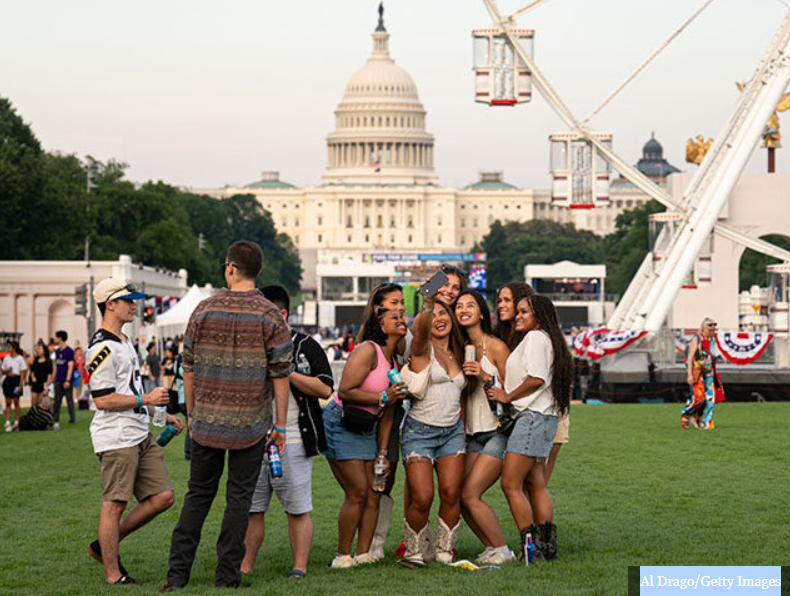
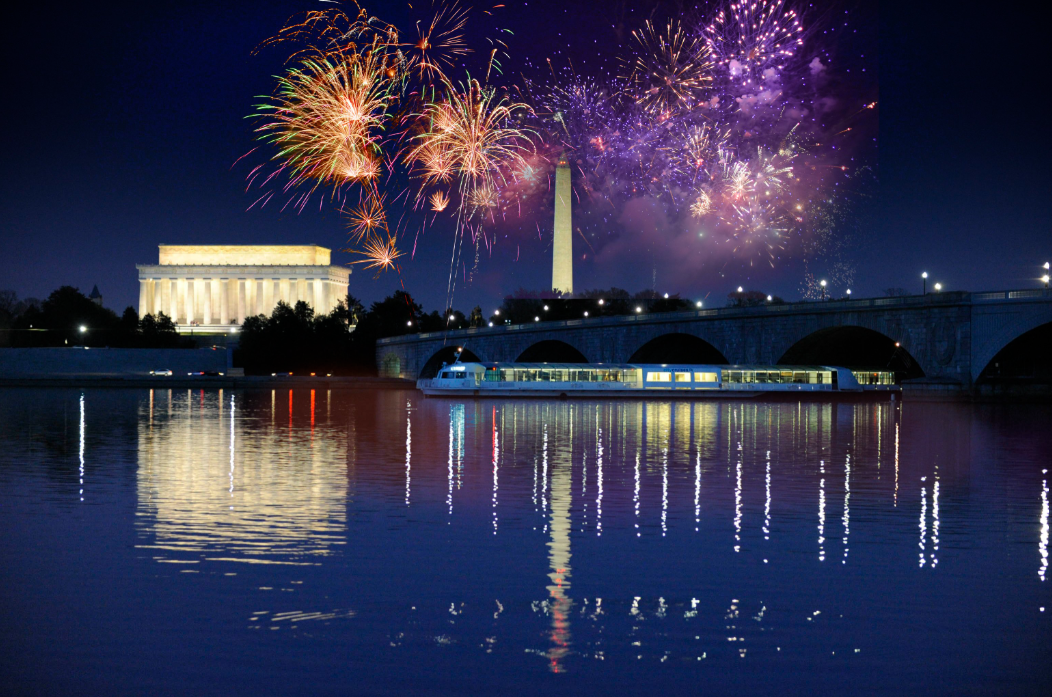
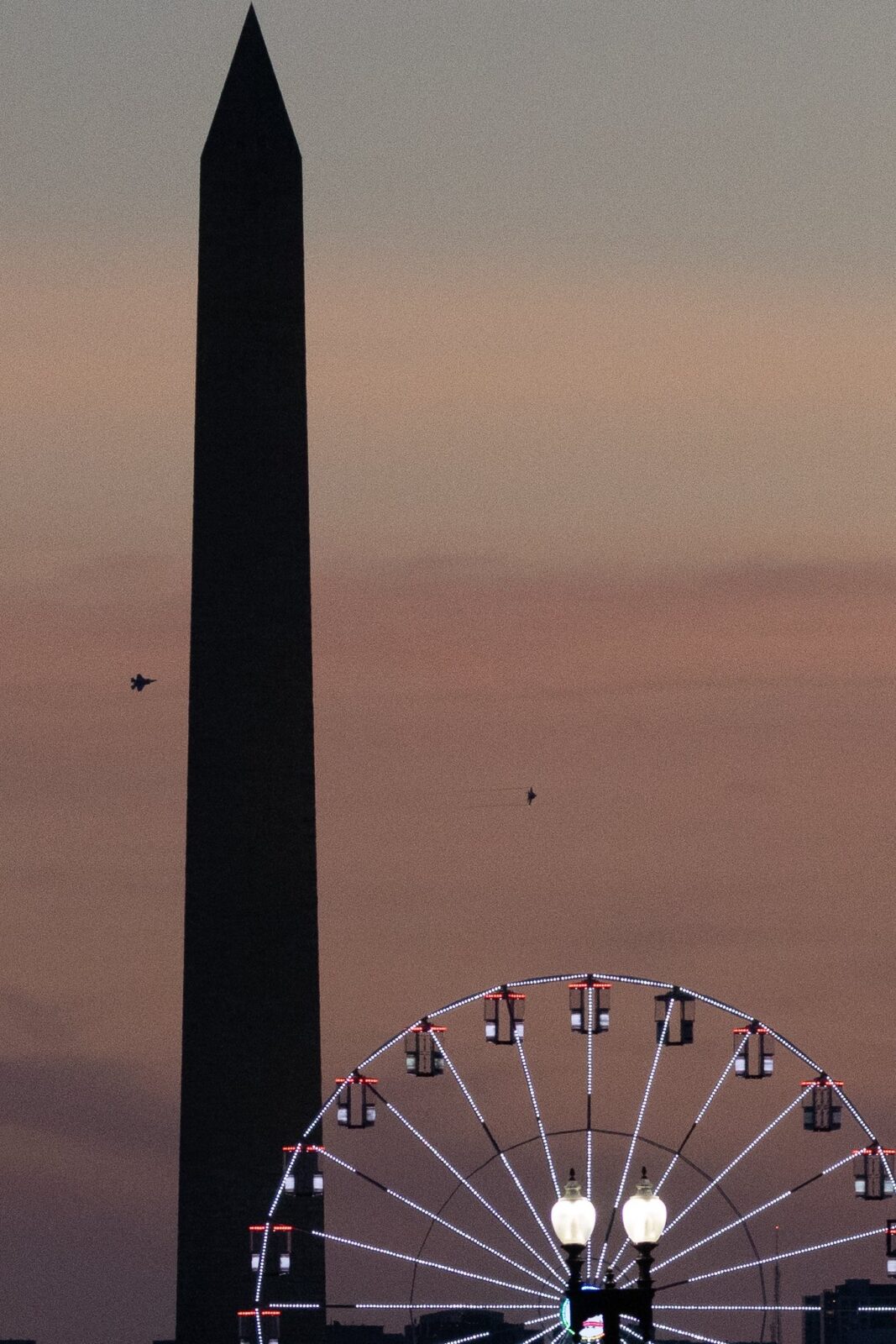
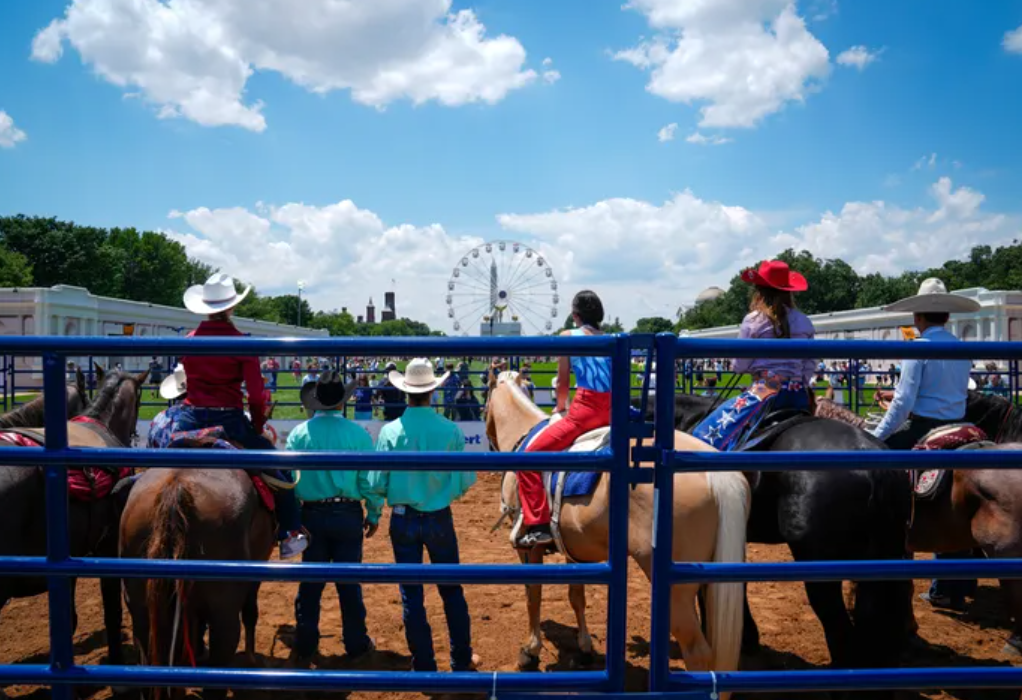
In Washington, D.C., the Great American State Fair takes place with themes of Land & Prosperity, Military & Veterans, Faith/Values/Inspiration, Innovation & Technology, Horsepower of America, Wings of Freedom, etc. There will be exhibits from states and territories, Rodeo 250, entertainment, military flyovers, rides, and on July 4th, what organizers are calling the biggest fireworks display ever.
The D.C. fair is the flagship, but the fullness is the decentralized celebrations happening in towns and cities everywhere. Across the country, celebrations will have similar activities. Some of the festivities will continue throughout the year at state and local fairs. One big July 4 benefit show in Los Angeles with major artists, jazz festivals, and music events because, surprise, surprise, California didn’t opt out. Let’s get back to partisanship. Recent polling, Gallup in 2025 show only 29–36% of Democrats say they’re “extremely/very proud” to be American (down sharply from prior years), versus 85–92% of Republicans. The idea of celebrating America shouldn’t be partisan. But perception is, amplified by media, leadership, and the deep emotional/cultural split in how Americans experience national identity right now. That’s why some blue-state governors cited “partisan” concerns.
Oregon’s partisan concerns centered on the event feeling too closely tied to President Trump and shifting away from a neutral, bipartisan tone. To me, I see it as TDS to an extreme. We’re celebrating an event, not a person. The 250th anniversary and the Declaration of Independence belongs to the country, not any one politician. Celebrating the founding document, the principles in it; life, liberty, pursuit of happiness, and 250 years of American history should be something transcending whoever happens to be in the White House. Framing participation as “endorsing Trump” instead of endorsing America comes across as overly tribal or childish.
Polls and public reaction suggest it’s not playing well broadly. A large chunk of the country, including many independents and moderates sees national birthday celebrations as something you rise above politics for, especially one this rare. Opting out reinforces the narrative that one side, democrats, struggles with uncomplicated patriotism right now.
Whether you call it TDS (I did earlier), affective polarization, or just “everything is about Trump now,” the pattern is the same: events, symbols, or policies get judged less on content and more on who’s associated with them. A state fair with rodeos, flyovers, Ferris wheels, and state exhibits celebrating American achievements shouldn’t be controversial, but here we are.
It is sad for social cohesion. Shared national milestones used to be rare moments that cut across divides. The fact that pride in America itself now shows one of the widest partisan gaps in decades makes bridging that harder. Hopefully the actual event on the ground brings in plenty of regular Americans from all backgrounds who just want to enjoy it. If democrats choose to say home, although welcome, so be it. When it comes to optics, democrats don’t seem to do well, but don’t seem to care.
Another issue coming is one of national pride, mentioned earlier. Conservatives emphasize American exceptionalism, founding principles, military strength, and unapologetic pride. Progressives prioritize acknowledging historical flaws such as slavery, inequality, indigenous issues, etc.
Consider this though; most countries are proud of themselves; that’s normal and healthy. France celebrates Bastille Day, Mexico its independence, Japan its culture and history, India its own founding. National pride doesn’t require claiming perfection; it means valuing what your country stands for and has achieved while working to improve it. That’s natural too. The Declaration itself is a bold assertion of universal rights and a list of grievances against Britain. It’s aspirational, not self-congratulatory. The Founders never claimed perfection. In the Constitution’s Preamble, just eleven years later, “We the People… in Order to form a more perfect Union.” The founders knew the country wasn’t perfect in 1776 or 1787, so they built in mechanisms for change precisely because of that.
Let’s get back to partisanship. Recent polling, Gallup in 2025, shows only 29–36% of Democrats say they’re “extremely/very proud” to be American (down sharply from prior years), versus 85–92% of Republicans. The idea of celebrating America shouldn’t be partisan. But perception is amplified by media, leadership, and the deep emotional/cultural split in how Americans experience national identity right now. That’s why some blue-state governors cited “partisan” concerns.
Oregon’s partisan concerns centered on the event feeling too closely tied to President Trump and shifting away from a neutral, bipartisan tone. To me, I see it as TDS to an extreme. We’re celebrating an event, not a person. The 250th anniversary and the Declaration of Independence belong to the country, not any one politician. Celebrating the founding document, the principles in it—life, liberty, pursuit of happiness—and 250 years of American history should be something transcending whoever happens to be in the White House. Framing participation as “endorsing Trump” instead of endorsing America comes across as overly tribal or childish. Polls and public reaction suggest it’s not playing well broadly. A large chunk of the country, including many independents and moderates, sees national birthday celebrations as something you rise above politics for, especially one this rare. Opting out reinforces the narrative that one side, Democrats, struggles with uncomplicated patriotism right now. Whether you call it TDS (I did earlier), affective polarization, or just “everything is about Trump now,” the pattern is the same: events, symbols, or policies get judged less on content and more on who’s associated with them. A state fair with rodeos, flyovers, Ferris wheels, and state exhibits celebrating American achievements shouldn’t be controversial, but here we are.
It’s sad for social cohesion. Shared national milestones used to be rare moments that cut across divides. The fact that pride in America itself now shows one of the widest partisan gaps in decades makes bridging that harder. Hopefully the actual event on the ground brings in plenty of regular Americans from all backgrounds who just want to enjoy it. If Democrats choose to stay home, although they are welcome, so be it. When it comes to optics, Democrats don’t seem to do well, but don’t seem to care.
Another issue coming is one of national pride, mentioned earlier. Conservatives emphasize American exceptionalism, founding principles, military strength, and unapologetic pride. Progressives prioritize acknowledging historical flaws such as slavery, inequality, indigenous issues, etc.
Consider this though: most countries are proud of themselves; that’s normal and healthy. France celebrates Bastille Day, Mexico its independence, Japan its culture and history, India its own founding. National pride doesn’t require claiming perfection; it means valuing what your country stands for and has achieved while working to improve it. That’s natural too. The Declaration itself is a bold assertion of universal rights and a list of grievances against Britain. It’s aspirational, not self-congratulatory. The Founders never claimed perfection. In the Constitution’s Preamble, just eleven years later: “We the People… in Order to form a more perfect Union.” The founders knew the country wasn’t perfect in 1776 or 1787, so they built in mechanisms for change precisely because of that. In the end, a milestone like America’s 250th anniversary should be a time when we set politics aside and celebrate the country we share. National pride doesn’t mean pretending we’re perfect — it means appreciating what we’ve built and continuing to make it better. Hopefully more Americans, regardless of party, will choose to join the celebration in their own way.