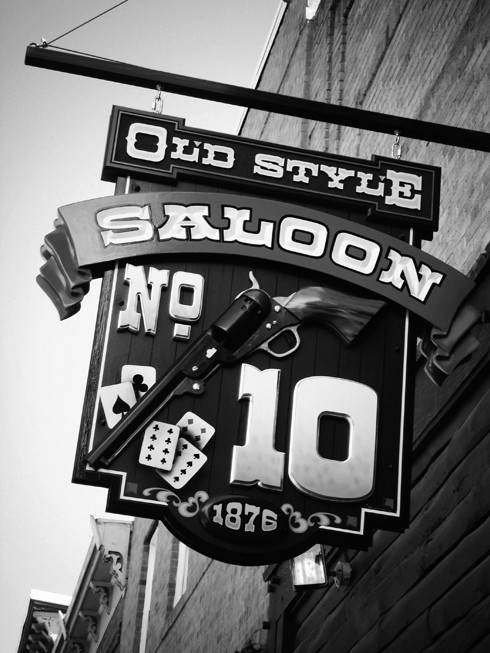
On this day in 1876, Jack McCall murdered Wild Bill Hickok in Deadwood, South Dakota. The so-called ‘dead man’s hand” Hickok was holding isn’t entirely known. Two black aces and two black eights are accepted. The fifth card, if even dealt, is not.
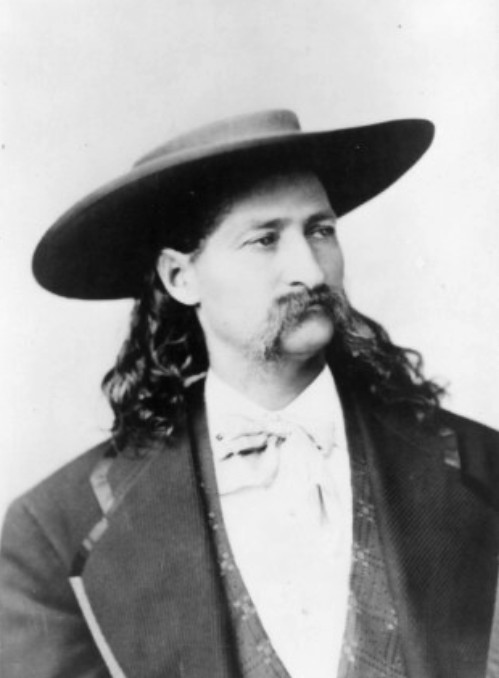
Back to the fateful hand dealt him. Even the black aces and eights have been called into question by a man claiming to have retrieved the cards. The man gave the cards to his son, who told another person the cards were the ace of diamonds, the ace of clubs, the two black eights, clubs and spades, and the queen of hearts. 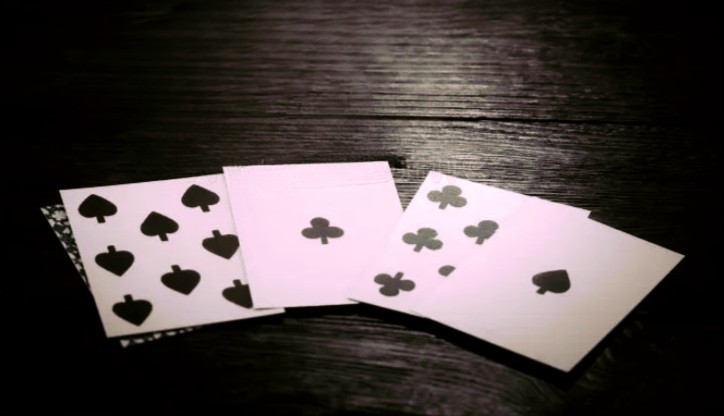
Hickok’s biographer, Joseph Rosa, wrote about the hand in which the fifth card was the queen of clubs, along with the black aces and eights. The two pairs, black aces and eights, became known as the dead man’s hand, but they weren’t associated with Hickok until 50 years after his murder in yet another book.
The fifth card is open to speculation. The nine and jack of diamonds come up often. The fifth card has been described as a bullet to the brain from behind because, for Hickok, it was.
The story of Wild Bill has fascinated me since I was a child. I watched the television show in the 1950s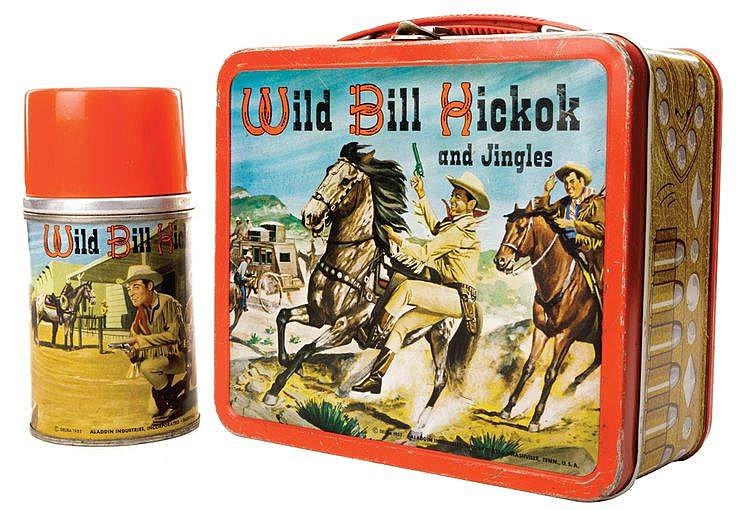
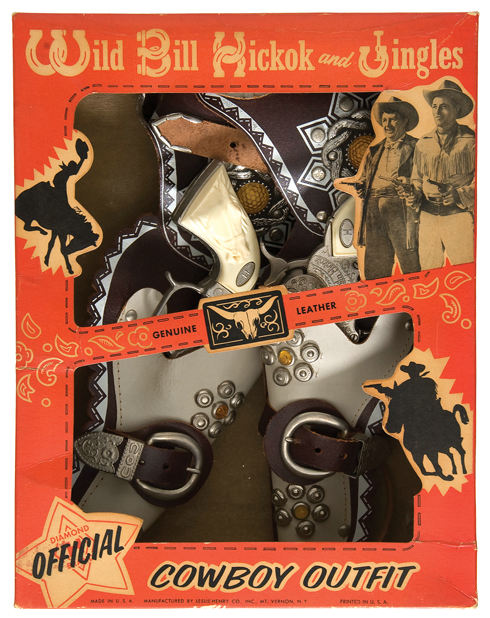
Later, I followed the path of Wild Bill from Illinois to South Dakota, where he died at 39 years of age in Saloon No. 10, and read up on the trial of Jack McCall. McCall was found not guilty but tried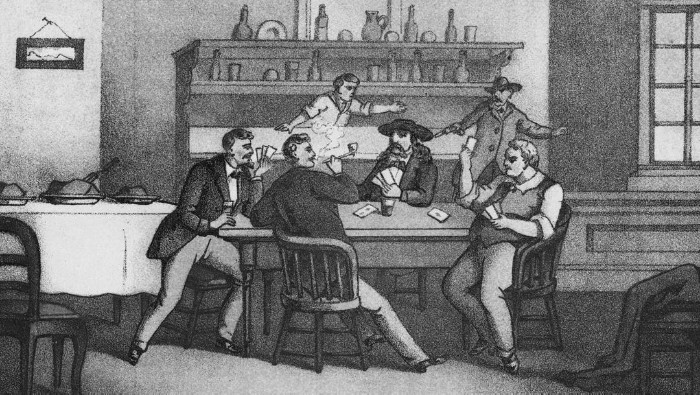
I played some poker at Saloon No. 10 and won a small amount of money playing blackjack,