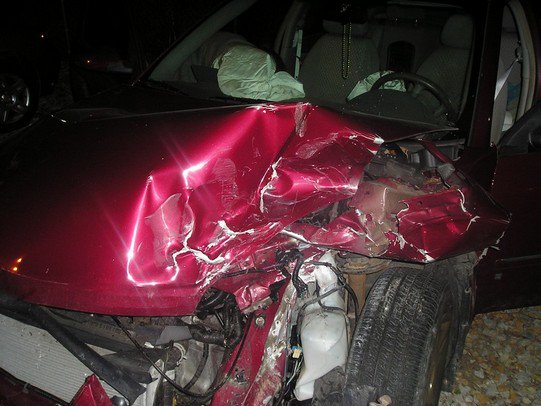
For November, it was a warm, sunny day. It was so nice, the evening before I went for a bike ride. I didn’t know it then, but it would be one of the last bike rides of my life, except for a stationary bike in the house, which is nothing but boring. My favorite activities over the decades, hiking in the mountains and climbing, pretty much ended that day.
If this happens to you, here are some things you should do. I didn’t because I had to have the door opened by paramedics and was transferred to an ambulance, an old word now, but I’m old. It’s hard to believe this was 14 years ago. Here are some things to keep in mind, and while I could go into more detail on some, this is an overview. Consult an attorney.
1. Avoid moving your vehicle unless it is hazardous to other traffic.
2. Turn off the ignitions of the cars involved.
3. If possible, make a medical check of all persons involved in the accident. Again, I didn’t because I could not exit my vehicle after the collision.
4. Call the police and, if necessary, emergency medical services. Chances are, someone will have already taken care of this.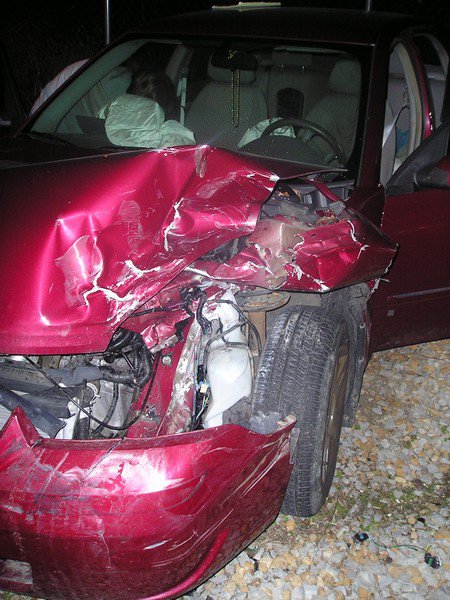
5. Get the names of all persons in the motor vehicles and people who witnessed the accident. When gathering names, get a contact number. (also see no. Seven below)
6. If you are able to do so, make a quick diagram of where the vehicle occupants were seated and indicate the vehicle’s direction of travel and lane. Also note the date, time, and weather conditions. The more information you can remember and write down at the time, the better. The police will obtain much of this information. Getting it immediately, though, will help keep everything fresh in your mind. With that, keeping a daily journal is a good idea.
7. Ask to see the other driver’s license and write down the number. Get the other driver’s phone number as well. Also, get the name of the driver’s insurance company, and don’t be afraid to ask for an insurance company to write the information. In speaking with the other driver or anyone else, DO NOT discuss “fault” or make statements about the accident to anyone but the police, and you may want to limit it as well.
8. Contact your vehicle insurance company as soon as possible. Incidentally, although it does cost more, always try to keep full coverage on your vehicle. Medical pay offered is very important, and it costs little to increase the amount. Having coverage for underinsured and uninsured is extremely important, in my opinion. Having full coverage costs more, but it pays for itself if there are injuries.
9. Get a copy of the police report. This is easier today than ever before. In a matter of days, you’ll start receiving letters from attorneys around the state doing personal injury work. I’d likely avoid them, but included with their promotional material will no doubt be a copy of your accident report.
10. Since I mentioned it, getting an attorney is up to you, but it’s always a good idea. Always remember the insurance company is trying to settle cases for the least amount possible, and your job is to be fully compensated for all losses. And, you need not settle immediately. Recommendation: DON’T!
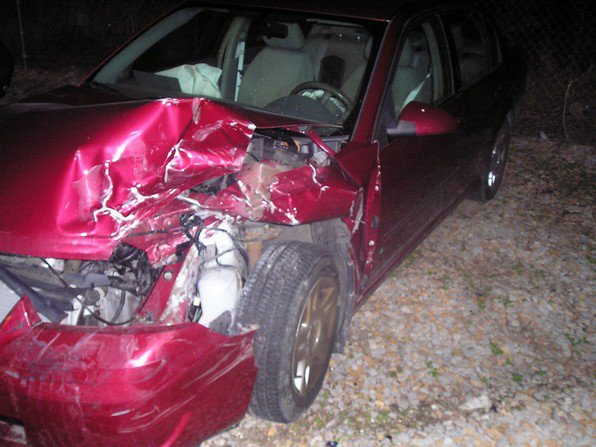
11. Get to your doctor immediately to ensure everything is okay. Some injuries don’t manifest themselves immediately.
Stay safe, but always be ready! These things can happen in seconds or less. By the way, time does seem to slow down, and airbags hurt.