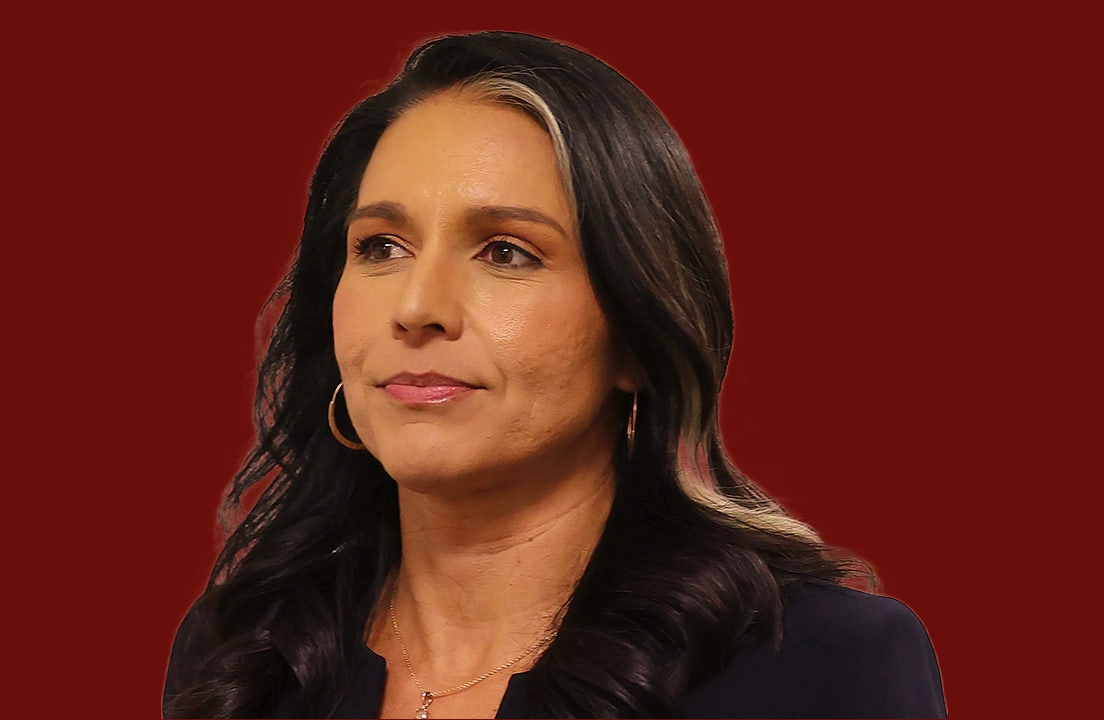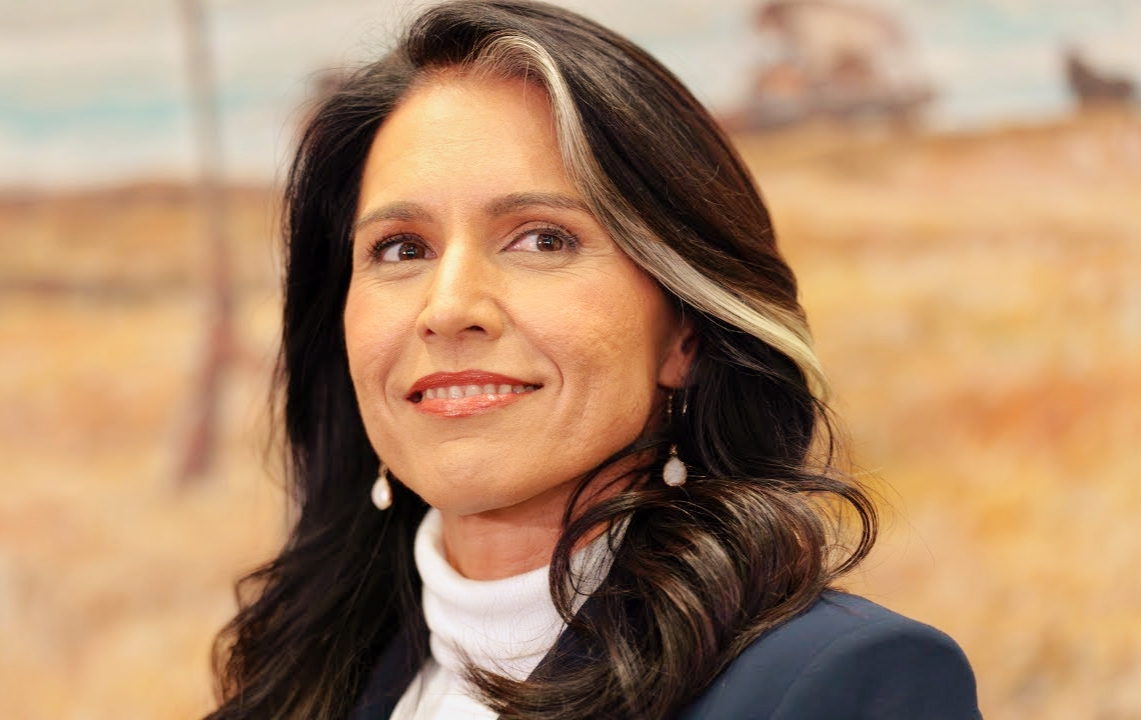
Consider Gabbard’s political journey from a progressive Democrat to an independent and later a Republican. It demonstrates her ability to navigate political divides, learn, and move forward as she matures.
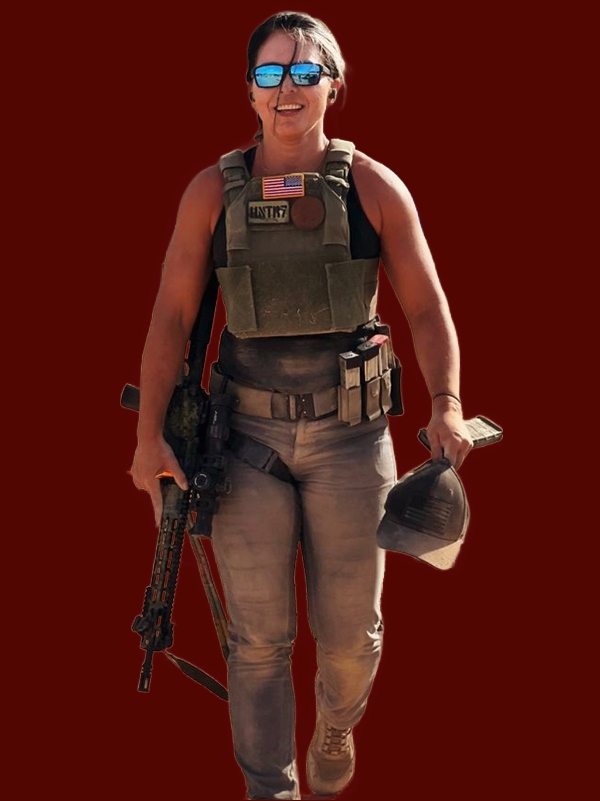
As one born during the Korean War and living through continual hot and cold wars, I’ve moved back and forth between hawk and dove. I’ve grown weary of war. I appreciate her outspoken criticism of interventionist foreign policies and her advocacy for peacebuilding rather than military engagement. Therefore, I have a personal liking for her that likely has no bearing on intelligence gathering, but it could. We’ve seen what happens when the opposite is true: Iraq.
Gabbard’s skepticism towards traditional intelligence narratives, particularly concerning U.S. involvement in foreign conflicts like Syria, for which she has been unjustly criticized, it shows her willingness to exercise evidence-based decision-making aligned with constitutional principles. It indicates a commitment to safeguarding civil liberties, which is crucial for maintaining public trust in intelligence activities. We’ve seen abuses of civil liberties over the past 20 years, and so too has she seen it in her personal life. My thought is she gets it better than most.
I conclude as I began, Tulsi Gabbard’s total background and focus on balancing national security with civil liberties make her a good choice for leading the U.S. intelligence community to keep us safe from those wishing our country harm.