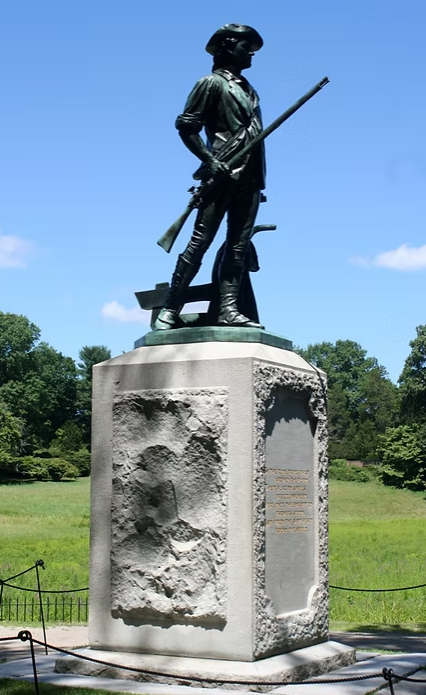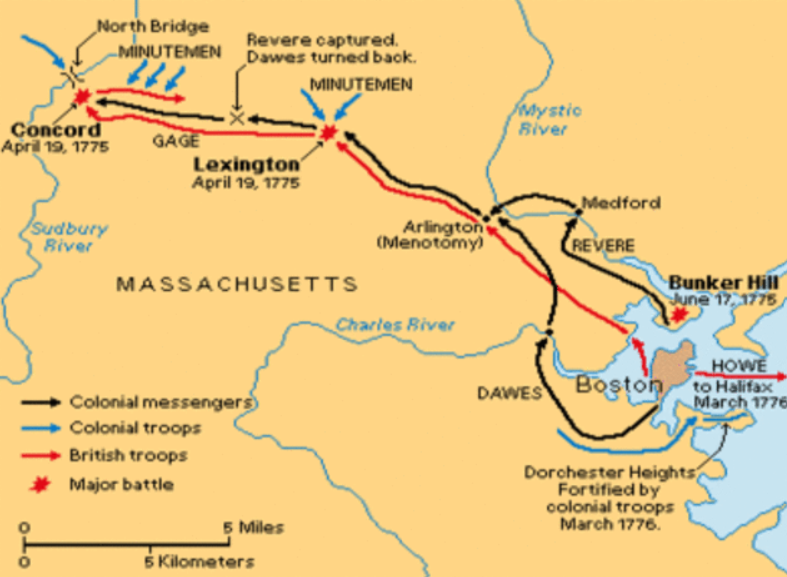
A little over 250 years ago, on April 19, 1775, the American Revolution began at sunrise on Lexington Green in Massachusetts.
Paul Revere’s midnight ride had delivered the warning, more on this later as a note. Seventy-seven farmers and tradesmen, led by Captain John Parker, a veteran of the French & Indian War, almost on his deathbed, stood in the path of 700 British Regulars.
Parker is credited with two historical expressions. The first, he ordered, “Stand your ground.” The second, “Don’t fire unless fired upon. But if they mean to have a war, let it begin here.”
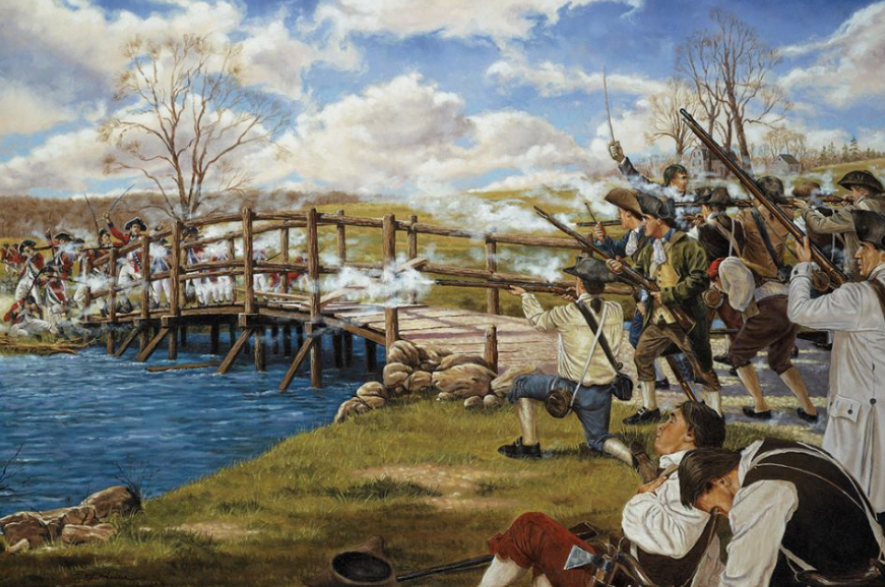
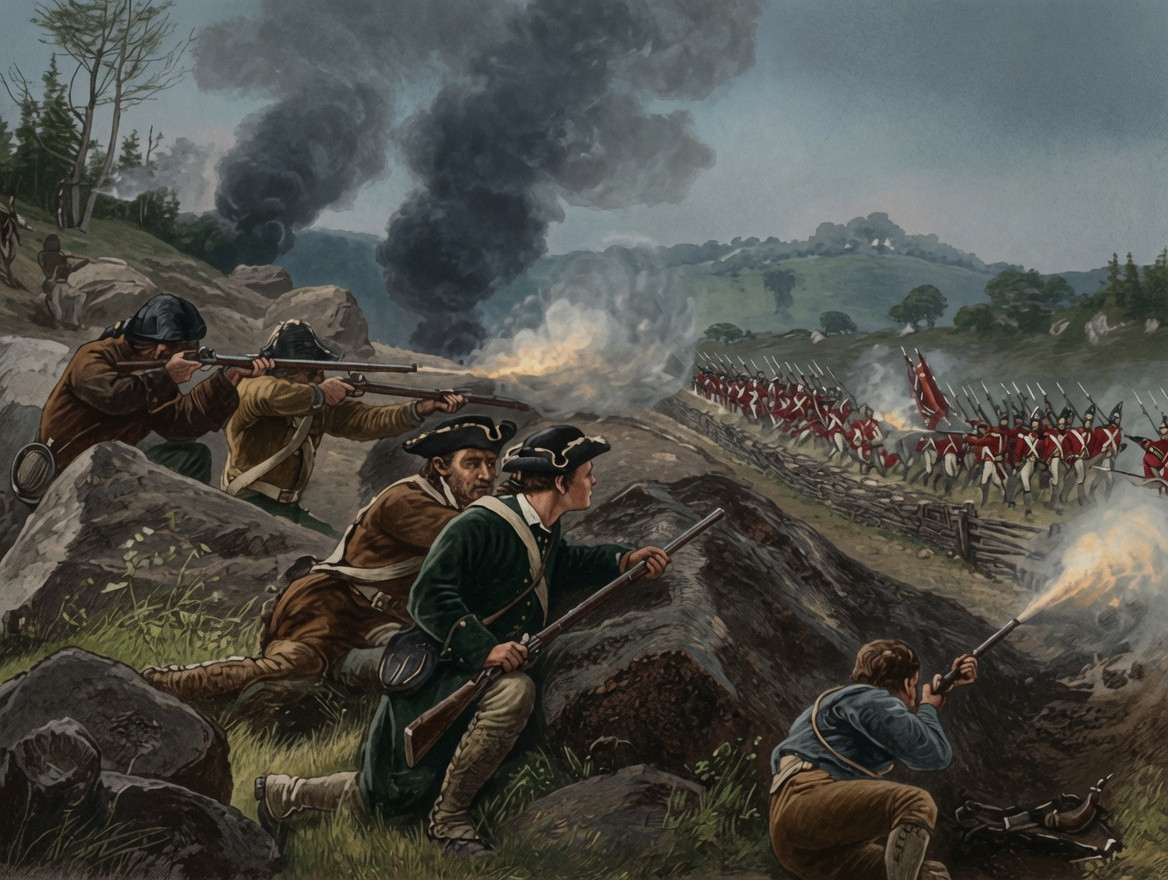
An important thing is to look at it as three separate, but continuous battles. By the end, the British, with reinforcements, grew to about 1,700. The colonists numbered 77. By the end of the day, the number grew to close to 4,000. When I say three separate battles; Lexington Green at dawn, Concord’s North Bridge, and the running retreat, At Concord’s North Bridge, the militia fired the “shot heard round the world.” Total casualties for the day were as follows: Colonists: 49 killed, 39-41 wounded, and five missing. For the British: 73 killed, 174 wounded, 26–53 missing/captured.
“The British are coming!” phrase first appeared almost 50 years later, by John Hancock’s fiancée, Dorothy Scott.
“The shot heard round the world comes from a poem written by Ralph Waldo Emerson called the Concord. Hymn. Some background here. The shot was first coined by Ralph Waldo Emerson’s famous line in the Concord Hymn in 1837 specifically refers to the American volley at Concord’s North Bridge, not the earlier shot at Lexington Green:
“By the rude bridge that arched the flood,
Their flag to April’s breeze unfurled,
Here once the embattled farmers stood
And fired the shot heard round the world.”
Finally, there is a difference between militiamen and minutemen. Both were part of the colonial citizen-soldier system in 1775. We often hear of minutemen but, their numbers were lesser than militiamen, kind of. Minutemen were part of the militia, but more elite, more physically fit, and younger.
This may sound crude in today’s world because it’s no longer true but if you’re old enough, you may remember some men in your county sheriff’s department appearing heavier and not in shape and contrast it with the State Highway Patrol. Both are part of law enforcement (militia) with the State Highway being more elite (minutemen).
They were not soldiers. They were farmers, tradesmen, and teenagers who decided they would rather die on their feet than live on their knees. And they changed the world